What if your phone could help you build healthy habits—without the stress?
We’ve all been there—trying to drink more water, move our bodies, or sleep better, only to lose momentum by week two. It’s not that we don’t care. Life gets busy, motivation fades, and tracking everything feels like a second job. But what if technology could quietly support us—no nagging, no complexity—just gentle, simple nudges that fit into our real lives? That’s not a fantasy. It’s already here. And it’s changing how real women—mothers, caregivers, professionals, and homemakers—are building healthier routines without burning out.
The Habit Struggle Is Real (And It’s Not Your Fault)
Let’s be honest: most of us start the week with good intentions. Maybe you downloaded a wellness app on Sunday night, ready to finally drink eight glasses of water, stretch every morning, or meditate before bed. By Tuesday, life happened. The kids were up late, your meeting ran over, and that glass of water? Forgotten next to your laptop by 3 p.m. Sound familiar? You’re not lazy. You’re not failing. You’re just human, living a full, unpredictable life.
The truth is, forming habits has never been about willpower. It’s about design. And most of the tools we’ve used in the past—planners, checklists, alarm clocks—aren’t designed for real life. They demand consistency when we’re exhausted, precision when we’re overwhelmed, and motivation when we’re just trying to get through the day. No wonder so many of us give up. We don’t lack discipline—we lack support.
And here’s what no one talks about: the emotional toll of failing—again and again—at something that’s supposed to make us feel better. That little voice whispering, “You can’t even stick to one habit,” chips away at our confidence. Over time, we stop believing we can change. But what if the problem isn’t you? What if it’s the method?
Enter the Invisible Coach: Habit-Building Assistants
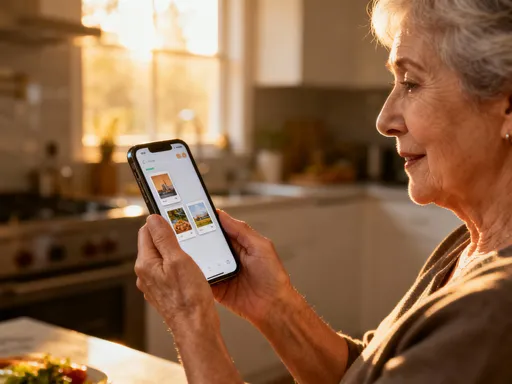
Imagine a coach who knows your schedule, respects your energy levels, and never judges you for skipping a day. That’s not a luxury spa retreat—it’s what modern health tech can do right now. These aren’t the clunky apps of five years ago that sent push notifications like a drill sergeant. Today’s tools are more like quiet companions—always there, but never in your face.
They’re called habit-building assistants, and they work differently. Instead of asking you to log every sip of water or step you take, they use smart design and gentle AI to reduce friction. Think of them as your wellness sidekick—someone who notices when you’ve been sitting too long and says, “Hey, how about a two-minute stretch?” in a tone that feels like a friend, not a taskmaster.
These assistants learn from you. If you usually walk the dog at 7 p.m., the app might suggest a breathing exercise right after you get back. If it senses you’ve had a late night—maybe your smartwatch shows restless sleep—it won’t nag you about meditation. Instead, it might offer a simple “just breathe for one minute” prompt the next morning. It adapts. It understands. And that makes all the difference.
Simplicity by Design: Why Ease of Use Changes Everything
Here’s the secret no one tells you: the best habit tools are the ones you forget you’re using. They don’t require opening an app, typing in data, or remembering passwords. They work in the background, quietly making healthy choices easier.
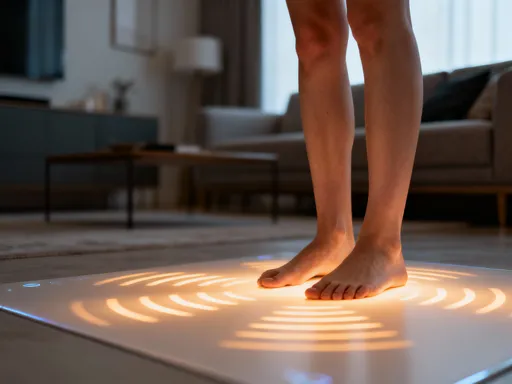
Take voice-based tracking. Instead of pulling out your phone and tapping through screens, you can simply say, “Hey phone, I just drank a glass of water.” The app logs it automatically. Or imagine stepping on your scale, and without doing anything, your wellness dashboard updates and sends a kind note: “Hydration’s up this week—great job!” These small moments of frictionless tracking add up to big changes over time.
And it’s not just about voice. Some apps sync with your wearable to track steps, heart rate, and even stress levels. If your watch notices your heart rate has been high all afternoon, it might suggest a five-minute guided breathwork session—right when you need it. No decisions. No effort. Just a gentle nudge toward calm.
The key is simplicity. When a tool is easy enough to use while you’re making dinner or helping with homework, it becomes part of your life—not another thing on your to-do list. And when it feels natural, you’re more likely to stick with it. That’s the power of design that respects your time and energy.
When Tech Understands Your Life, Not Just Your Goals
One of the biggest reasons habits fail is guilt. We miss a day, and suddenly we feel like we’ve failed. So we give up. But what if your tech responded with kindness instead of criticism?
Modern habit assistants are starting to include emotional intelligence. They don’t just track data—they respond to it with empathy. For example, if you skip your evening stretch routine three nights in a row, instead of sending a red “You’re off track!” alert, it might say, “We’ve all had busy weeks. Want to try a 90-second shoulder release before bed?” It’s not shaming you. It’s meeting you where you are.
One mom I spoke with (anonymously, of course) shared how this changed everything for her. She’d tried meditation apps before but always felt worse when she missed a session. Then she found one that adjusted its tone based on her usage. After a late night with her toddler, it didn’t ask, “Why didn’t you meditate?” It said, “You’ve had a long night. Try this 3-minute rest audio.” She cried the first time she heard it. “It felt like someone finally got it,” she said.
That’s the shift: from performance to presence. These tools aren’t about hitting goals perfectly. They’re about showing up, even imperfectly. And when technology responds with compassion, it builds trust. You start to believe, “Maybe I can do this.” And that belief is the foundation of lasting change.
Building Habits That Stick—With Help from Your Daily Routine
The most effective habits aren’t the ones we add to our day—they’re the ones we attach to what we’re already doing. This is called “habit stacking,” and it’s a game-changer. The idea is simple: pair a new behavior with an existing one so it becomes automatic.
For example, brushing your teeth in the morning can trigger a 60-second mindfulness moment. While the coffee brews, you jot down one thing you’re grateful for. Or during your commute, you listen to a short guided breathwork session instead of scrolling social media. These aren’t big changes. They’re tiny moments woven into your day.
And here’s where tech helps: it can remind you at just the right time. You don’t have to remember to be mindful—you just need to set up a cue. For instance, your phone can detect when you leave the house and send a gentle audio prompt: “As you walk to the car, notice your breath for three steps.” It’s not demanding. It’s inviting.
One woman shared how she linked evening stretches to folding laundry. “Every time I start a new basket, I do two quick moves—shoulder rolls and a forward bend. It takes 30 seconds, but over the week, it adds up.” She didn’t need extra time. She just needed a reminder to use the time she already had.
That’s the beauty of integration. You’re not fighting your schedule. You’re working with it. And when tech helps you anchor new habits to existing routines, they don’t feel like chores. They feel like natural extensions of your day.
Real People, Real Results: Stories of Quiet Transformation
I’ve talked to so many women—just like you—who’ve found a new rhythm with the help of these tools. None of them did a complete lifestyle overhaul. No 5 a.m. workouts. No juice cleanses. Just small, consistent shifts that added up to real change.
Take Maria, a 42-year-old teacher and mom of two. She’d wanted to be more active for years but always felt too tired after school and homework. Then she started using a voice-based walking tracker. Every time she took the dog out, she’d say, “Hey phone, I’m walking.” The app logged it and sent cheerful updates like, “You’ve walked 12 miles this month—enough to go from your house to the beach!” She didn’t change her routine. She just made it visible. And seeing that progress—even in small chunks—kept her going.
Then there’s Priya, a nurse who works long shifts. She used to come home drained and scroll until she fell asleep. But she wanted better sleep. She started using a wind-down assistant that learned her bedtime patterns. On nights she got home late, it didn’t push for a 10-minute meditation. Instead, it offered a two-minute body scan. “It felt doable,” she said. “And on the nights I actually did it, I slept deeper.” Over time, those two minutes became three, then five. She didn’t force it. It grew naturally.
And let’s not forget Linda, who struggled with staying hydrated. She’d buy a big water bottle every January and forget it by February. Then she found an app that synced with her smart water bottle. Every time she took a sip, it lit up and sent a soft chime to her phone. “It was like my water was cheering for me,” she laughed. She didn’t think about it—she just responded to the little celebration. And her hydration improved without effort.
These aren’t extreme makeovers. They’re quiet transformations. More energy. Less anxiety. Better sleep. And, most importantly, a growing sense of self-trust. When you keep small promises to yourself—day after day—it changes how you see yourself. You start to believe, “I can do hard things.” And that belief spills into every part of life.
Making It Your Own: How to Start Without Overthinking
If you’re thinking, “This sounds great, but where do I start?”—I get it. The idea of adding another app, another system, another thing to manage can feel overwhelming. So let’s keep it simple. You don’t need to do everything at once. You just need to start somewhere—anywhere.
First, pick one habit. Just one. It could be drinking more water, stretching for two minutes, or taking three deep breaths before bed. Choose something small—so small it feels almost too easy. That’s the point. Success builds confidence.
Next, find a tool that feels easy to use. Look for apps with voice input, automatic tracking, or seamless sync with your wearable. Try a few. Delete the ones that feel like work. Keep the one that feels like a helper, not a boss. You’ll know it when you find it—it should feel light, not heavy.
Then, set up a micro-reminder. Link it to something you already do. For example: “After I pour my morning coffee, I’ll take three deep breaths.” Or “When I plug in my phone at night, I’ll log one thing I’m grateful for.” Keep it tied to your routine, not a new schedule.
And finally, let go of perfection. Some days you’ll forget. Some days you’ll be too tired. That’s okay. The tool will be there tomorrow, ready to help—not to scold, but to support. This isn’t about being flawless. It’s about showing up, again and again, with a little help.
Because here’s the truth: you don’t need more willpower. You need better support. And the good news is, that support is already in your pocket. Your phone doesn’t have to be a source of distraction. It can be your quiet ally in building a healthier, calmer, more confident version of yourself. One small nudge at a time.