I Don’t Have Time to Write—Until Voice-to-Text Changed Everything
You know that feeling when an idea strikes—maybe in the shower, on a walk, or right before sleep—but by the time you grab your phone, it’s gone? I used to lose thoughts constantly, telling myself, “I’ll write it down later.” But later never came. Sound familiar? I thought I just lacked discipline. Then I discovered voice-to-text wasn’t just for emails—it became my secret tool for capturing ideas, growing creativity, and finally starting the journaling habit I’d always wanted. It didn’t take over my life. It simply made space for me in it.
The Moment I Realized My Excuse Was Holding Me Back
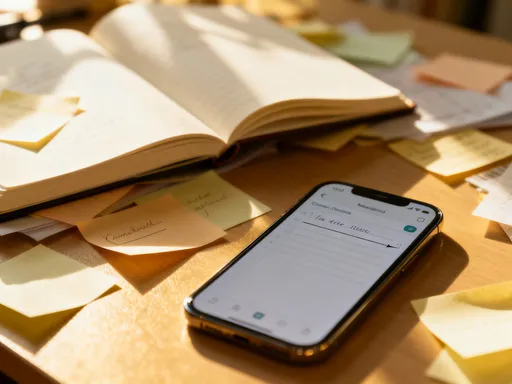
I used to say, “I don’t have time to write,” but the truth was, I didn’t have the energy to type after a long day. My kids were in school, I was managing work from home, and by the time the house quieted down, I was mentally exhausted. I’d open a note on my phone, stare at the blinking cursor, and close it five minutes later. It wasn’t that I had nothing to say—I had so much swirling in my mind. But the act of typing felt like climbing a hill. It demanded focus, stillness, and a kind of mental clarity I just didn’t have after juggling meals, meetings, and bedtime routines.
Then one evening, while walking my dog through the neighborhood park, a line of poetry popped into my head. Instead of letting it go—like I’d done a hundred times before—I pulled out my phone and whispered it into the voice memo app. Just for fun, I kept going. I spoke about the golden light on the trees, how tired I felt, how much I missed writing. I didn’t plan it. I didn’t edit. I just let the words spill out.
The next morning, I played it back. And I froze. Hearing my own voice, soft and a little shaky, I realized something surprising: the words were good. Not perfect, but real. They carried emotion. They had rhythm. And for the first time in years, I felt like I had actually said something true. That’s when it hit me—my real problem wasn’t time. It was the method. Typing felt like work. Speaking? That felt like breathing.
How Voice-to-Text Quietly Changed My Daily Rhythm
So I started small. Instead of trying to write a full journal entry, I began dictating tiny thoughts throughout the day. While stirring soup, I’d say, “Remind me to call the dentist tomorrow.” While folding laundry, I’d mumble, “I felt proud today when I handled that tough conversation with grace.” Even in the car, stuck in traffic, I’d record a quick note: “That song reminded me of college. I used to dream about being a photographer.”
At first, I felt a little silly. Talking to my phone? Was I becoming one of those people? But within a week, I noticed something: I was capturing twice as many ideas as before. And not just practical ones—emotional ones too. I found myself reflecting on how I was really feeling, not just what I was doing. Voice-to-text didn’t require me to sit still or be “in the mood.” It asked for nothing but a few seconds of honesty.
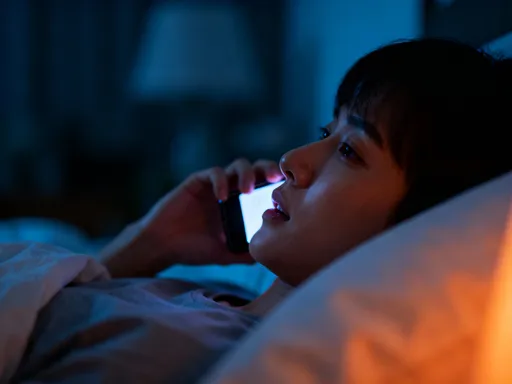
The beauty of it was how it fit into the edges of my life. I didn’t need a quiet corner or a special notebook. I didn’t have to wait for the kids to go to bed. I could talk while walking, cooking, or even lying in bed with my eyes closed. My phone became this quiet, always-available writing partner. And slowly, those scattered voice notes started to feel like pieces of a larger story—one I was finally beginning to tell.
Turning Spoken Words into a Real Creative Practice
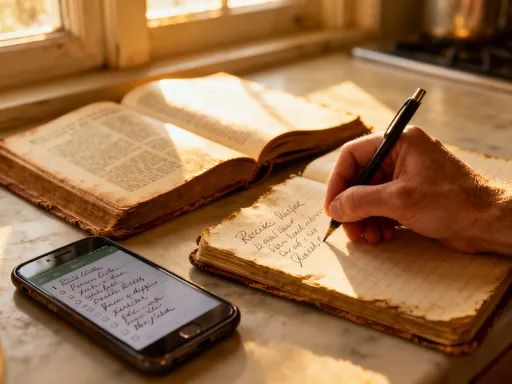
The real shift happened when I started turning those voice notes into written journal entries. Every Sunday morning, with my coffee in hand, I began choosing one recording to transcribe. I’d play it back, use my phone’s built-in voice-to-text feature to turn the audio into text, and then gently edit it—fixing run-on sentences, removing “ums” and “you knows,” but keeping the heart of what I’d said.
It wasn’t about writing perfectly. It was about showing up. At first, I’d pick the shortest notes—just a few sentences. But as I got more comfortable, I started choosing longer ones. A five-minute reflection on motherhood. A rambling thought about why I’d been so impatient with my daughter the day before. A memory from my childhood that had suddenly resurfaced.
Each time I transcribed a note, I felt a little more connected to myself. There was something powerful about seeing my spoken words on the screen—raw, unfiltered, but undeniably mine. I wasn’t trying to impress anyone. I wasn’t writing for an audience. I was writing for me. And over time, that small weekly habit grew. From one entry a week, I moved to two. Then three. I wasn’t “a writer,” but I was writing. And that was enough.
Why Speaking Feels More Honest Than Typing
There’s something deeply personal about speaking your thoughts out loud. When I type, I tend to overthink. I choose words carefully. I delete whole paragraphs. I worry about grammar, tone, whether I sound smart or kind or strong enough. But when I speak, I’m less guarded. My voice cracks. I pause. I repeat myself. I say things I didn’t even know I was thinking—until I hear them come out of my mouth.
That’s the magic of voice-to-text. It captures not just what you say, but how you say it. The hesitation. The laugh. The sigh. Those moments don’t make it into the final written piece, but they shape it. They keep the writing honest. They remind me that I’m not trying to be perfect—I’m trying to be real.
One night, I recorded a voice note about feeling overwhelmed. I was tired. My youngest had been up with a fever. My work deadline was looming. And I just… broke down a little. I said, “I don’t know how I’m doing this. I feel like I’m failing at everything.” I didn’t plan to keep that recording. But when I played it back, I realized how rare it was to hear myself admit that out loud. Most days, I’d push those feelings down, smile, and keep going. But in that moment, I let it out. And when I transcribed it later, I didn’t change a word. That entry became one of my most meaningful. It wasn’t pretty. But it was true.
Building a Habit That Fits Your Life, Not the Other Way Around
I used to believe that good habits required sacrifice. That I needed a perfect morning routine, a clean desk, and hours of free time. I thought journaling meant sitting with a beautiful notebook, sipping tea, and writing in long, thoughtful paragraphs. But real life doesn’t work like that. My kitchen is often messy. My time is limited. And my mind is usually racing.
What I’ve learned is that the most sustainable habits aren’t the rigid ones—they’re the flexible ones. The ones that bend around your life instead of demanding you bend around them. Voice-to-text gave me that flexibility. I don’t need a quiet room. I don’t need to be alone. I can journal while stirring pasta, waiting for the dryer to finish, or lying in bed with my eyes closed.
And because it feels so easy, I actually do it. I don’t have to psych myself up. I don’t have to “find time.” I just press record. That’s the secret—when something feels light, not heavy, you’re more likely to keep doing it. My journaling habit isn’t built on discipline. It’s built on permission. Permission to speak, to stumble, to be imperfect. And that’s what’s made all the difference.
From Journaling to Unexpected Creative Growth
At first, I thought voice journaling was just a way to remember my thoughts. But over time, it became so much more. It became a mirror. I started noticing patterns—how often I doubted myself, how quickly I dismissed my own needs, how much I craved creativity even when I didn’t have time for it.
Some of my voice notes turned into blog posts I shared with a small circle of friends. One reflection on balancing work and family inspired me to start a weekly newsletter. Another, about rediscovering old hobbies, led me to sign up for a local pottery class. I even turned a series of voice entries about my grandmother into a short essay I read at a community storytelling event.
The creativity didn’t come from pressure. It came from freedom. From giving myself permission to speak without judgment. Voice-to-text didn’t just help me record my voice—it helped me find it. The one that had been quiet for years, buried under to-do lists and responsibilities. And once I started listening, I realized I had things to say. Not grand, life-changing things—just honest ones. And that was more than enough.
Why This Small Tech Shift Feels Like a Quiet Revolution
Looking back, I realize that voice-to-text didn’t just help me journal. It changed how I relate to myself. It turned fleeting thoughts into lasting reflections. It made creativity accessible, not exhausting. It reminded me that I don’t need to be a perfect writer to have a meaningful voice. And it showed me that sometimes, the best tools aren’t the flashy new apps or expensive gadgets—they’re the ones already in your pocket, waiting to be used in a new way.
Today, I no longer say, “I don’t have time to write.” I just press record—and begin. It might be a two-minute thought while I’m brushing my teeth. It might be a longer reflection as I walk through the grocery store. It doesn’t matter how long it is or how polished it sounds. What matters is that I’m showing up for myself. That I’m listening. That I’m letting my voice be heard.
This small shift has brought me more peace, clarity, and joy than I ever expected. It’s helped me slow down, even in the busiest moments. It’s given me a way to process my days, celebrate small wins, and be kinder to myself. And most importantly, it’s reminded me that I matter—not because of what I do, but because of who I am.
So if you’ve ever thought, “I’d love to journal, but I don’t have time,” I want to ask you: what if you didn’t have to write? What if you could just speak? Your phone already has the tool. All it takes is one tap. One breath. One honest sentence. Start there. Your voice is worth hearing. And you? You’re worth the time.