Stop saying ‘I’ll rest my eyes later’: How an eye care app quietly changed my daily rhythm
You know that moment when you finally look up from your screen and realize your eyes are dry, your head is pounding, and the sun’s already low? I lived like that for years—until a tiny app on my phone started nudging me to pause, blink, and breathe. It didn’t just protect my eyes; it reshaped how I move through the day. This isn’t about screen time guilt. It’s about how a simple tool helped me reclaim focus, energy, and a sense of calm in the chaos. And if you’ve ever caught yourself saying, ‘I’ll rest my eyes later,’ only to realize ‘later’ never comes—this is for you.
The Screen Trap We All Fall Into (Without Noticing)
Let’s be honest—how many of us start the day before our feet even hit the floor? I used to reach for my phone the second I opened my eyes. Just a quick check, I’d tell myself. But that ‘quick check’ turned into 20 minutes of emails, social updates, and news headlines before I’d even brushed my teeth. By the time I sat down at my desk, my eyes were already tired, and the day hadn’t really begun.
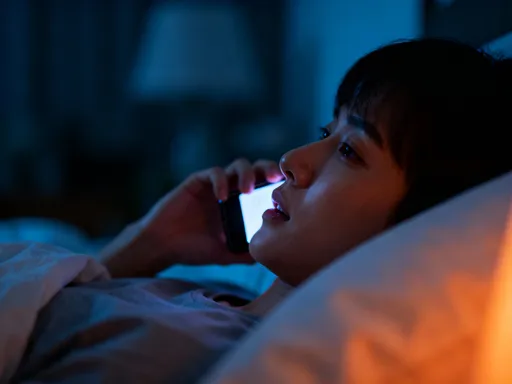
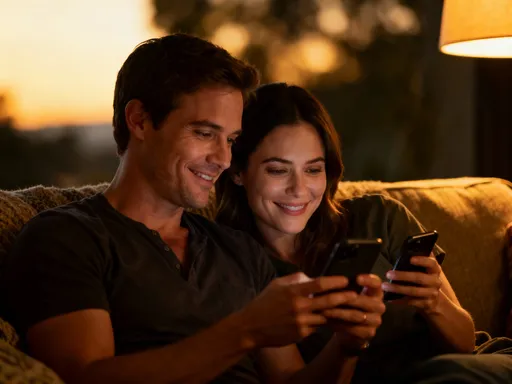
Then came the workday—back-to-back video calls, endless tabs, and that constant pull to multitask. I’d glance up only when my neck ached or my vision blurred slightly. And at night? That’s when the real trap unfolded. After the kids were in bed, the house was quiet, and I finally had time to myself, I’d sink into the couch with a show or scroll through my phone, chasing that sense of ‘me time.’ But instead of feeling refreshed, I’d wake up groggy, my eyes scratchy, my mind foggy.
Sound familiar? You’re not alone. We’ve normalized screen fatigue like it’s just part of modern life. But here’s the truth: it’s not normal to feel mentally drained by 3 p.m. It’s not normal to lie awake at night, your mind racing, even when your body is exhausted. These aren’t just random symptoms—they’re signals. Our eyes are the first to speak up, but they’re telling a bigger story about how we’re living.
What we often mistake for productivity is actually a slow erosion of our energy and attention. The screens we rely on to work, connect, and unwind are also quietly draining us. And because it happens so gradually, we don’t notice until we’re already running on empty. The good news? It doesn’t have to be this way. Small changes, rooted in awareness, can make a big difference. And for me, it all started with a simple alert on my phone.
How Eye Strain Silently Disrupts Your Life Rhythm
We tend to think of eye strain as just a physical thing—dryness, blurriness, headaches. But its effects go much deeper. When your eyes are overworked, your whole system feels it. I started noticing patterns: the mid-afternoon crash that made me reach for a third cup of coffee, the restless nights even when I was tired, the short fuse I had with my family after a long day online. At first, I blamed stress or lack of sleep. But the real culprit? My eyes were sending distress signals, and I wasn’t listening.
Here’s what I learned: staring at screens for hours throws off your natural rhythm. Blue light from devices mimics daylight, tricking your brain into thinking it’s still daytime. That delays the release of melatonin, the hormone that helps you fall asleep. So even if you’re exhausted, your body isn’t ready to shut down. I used to wonder why I could never fall asleep before 11, even when I was in bed by 9:30. The answer was in my screen habits—especially those late-night scrolls.
But it’s not just about sleep. Constant visual input keeps your nervous system on high alert. Your brain never fully switches off, even during breaks, because you’re still consuming content—emails, messages, videos. That constant stimulation wears down your mental clarity. I’d sit down to help my daughter with homework and realize I couldn’t focus. My mind was full of fragments from work emails, to-do lists, and random thoughts I hadn’t even noticed I was holding onto.
And then there’s the emotional toll. When you’re physically uncomfortable, it’s harder to feel patient, present, or joyful. I started snapping at small things—dishes left in the sink, a delayed grocery order, a missed call. I felt guilty afterward, but I couldn’t seem to stop. It wasn’t until I started paying attention to my eye health that I realized how much physical discomfort was shaping my mood. My eyes weren’t just tired—they were stressed. And that stress was spilling into every part of my life.
Discovering the App That Didn’t Judge—It Just Helped
I didn’t download the app because I thought I needed it. I downloaded it because a friend mentioned it in passing. ‘It just reminds me to blink,’ she said, laughing. I thought it sounded a little silly. Blink? I do that automatically, don’t I? But something about her tone stuck with me—she seemed calmer, more centered, like she had a secret rhythm no one else knew about.
So I gave it a try. No big commitment, just curiosity. I chose a simple eye care app—nothing flashy, no complicated settings. I turned on the 20-20-20 reminder: every 20 minutes, look at something 20 feet away for 20 seconds. The first few alerts felt annoying. I was in the middle of writing an email, or scheduling appointments, or helping my son with a project. ‘Not now,’ I’d think. But the app didn’t scold me. It didn’t track how many times I ignored it. It just gently reminded me, like a friend tapping my shoulder.
Then one day, I actually listened. I paused, looked out the window, and focused on a tree across the street. I took a breath. And in that moment, something shifted. I wasn’t just resting my eyes—I was stepping out of the mental loop I’d been stuck in. For 20 seconds, I wasn’t thinking about deadlines or chores or what I needed to do next. I was just… here.
That tiny pause felt like a gift. And the more I gave myself those moments, the more I looked forward to them. The app wasn’t fixing me. It wasn’t shaming me for screen time. It was simply creating space—for rest, for breath, for presence. And slowly, I began to trust it. Not because it was perfect, but because it was kind. It met me where I was, without judgment, and said, ‘Hey, you matter. Take a breath. Blink. You’ve got this.’
From Eye Breaks to Life Breaks: The Ripple Effect
Here’s what surprised me most: the eye breaks didn’t just help my eyes. They changed how I moved through my whole day. At first, I’d use the 20-second pause exactly as intended—look away, blink, breathe. But soon, I started extending them. When the alert went off, I’d stand up. I’d stretch my arms overhead, roll my shoulders, or walk to the kitchen for a glass of water.
Those micro-pauses became tiny acts of self-care. Instead of reaching for my phone during a break, I started sipping tea, stepping outside for fresh air, or just closing my eyes and listening to the birds. I wasn’t ‘wasting time’—I was recharging. And the energy I gained was real. I felt sharper in meetings, calmer during transitions, more patient with my family.
One morning, I realized I hadn’t felt that familiar 3 p.m. slump in weeks. No caffeine crash, no mental fog. I was still busy, still juggling a million things, but I wasn’t running on fumes. My focus had deepened. I could finish tasks without constant distractions. I started completing projects earlier, which gave me more time in the evenings—not just for chores, but for things I loved, like reading or baking with my daughter.
The ripple effect was real. Small pauses created space for better choices. I began scheduling my work in focused blocks, using the app’s reminders as natural transition points. I stopped eating lunch at my desk. Instead, I’d take a full 20 minutes away from screens, often outside if the weather was nice. Those moments didn’t just protect my eyes—they restored my sense of balance. I wasn’t just surviving the day. I was actually enjoying it.
Making It Work Without Adding Stress
Here’s the thing I’ve learned: the best tools don’t add to your to-do list. They fit into your life. When I first started using the app, I worried it would feel like one more thing to manage. But the opposite happened. Because it was customizable, I could shape it to my rhythm, not the other way around.
I started with the basic 20-20-20 rule, but soon explored other options. Some days, I’d choose a guided eye relaxation—soft music with gentle voice prompts to close my eyes and breathe. Other days, I’d pick a quick stretch routine the app suggested. The key was flexibility. On busy days, I’d adjust the frequency—maybe every 30 minutes instead of 20. On weekends, I’d turn off work-related alerts but keep the evening ones to protect my sleep.
I also learned to pair the alerts with habits I already had. I set a reminder to blink and stretch right after sending an important email. Another alert went off five minutes before lunch, so I could wrap up work and transition mindfully. Over time, these pauses became part of my natural flow, like breathing. I didn’t have to remember them—the app did. And because it felt supportive, not demanding, I actually listened.
If you’re thinking, ‘I don’t have time for this,’ I get it. I felt the same way. But here’s the truth: these breaks take less than a minute. And that minute pays back tenfold in clarity, energy, and calm. The app isn’t about perfection. It’s about presence. It’s not asking you to change everything—just to pause, once in a while, and remember that you’re more than your to-do list.
A Calmer Mind, One Blink at a Time
The most unexpected benefit? My anxiety dropped. I didn’t set out to reduce stress, but that’s what happened. Each eye break became a mental reset. In those 20 seconds, I’d notice how tight my jaw was, how shallow my breathing had become, how much tension I was carrying without realizing it.
One blink break turned into a habit of checking in with myself. I started asking, ‘How am I really feeling?’ Not just physically, but emotionally. Am I overwhelmed? Tired? Distracted? The act of pausing created space to notice—and that awareness was powerful. I didn’t have to fix everything in that moment. I just had to see it.
Over time, these tiny moments of awareness built something bigger: resilience. I wasn’t trying to meditate for 30 minutes a day or journal every morning. I was simply giving myself permission to pause, breathe, and return. And that small practice changed how I handled stress. When a crisis came up—a last-minute work request, a family issue, a missed deadline—I didn’t spiral as quickly. I’d take a breath, step away for a moment, and come back with more clarity.
It wasn’t magic. It was repetition. Just like brushing your teeth doesn’t transform your health overnight, these micro-pauses don’t fix everything at once. But over weeks and months, they reshape your inner landscape. I became more patient, more present, more grounded. My mind felt quieter, not because life slowed down, but because I had learned to create stillness within the motion.
More Than an App—A New Way to Live with Technology
Looking back, the biggest shift wasn’t about my eyes. It was about my relationship with technology. For years, I saw screens as the enemy—something to fight, limit, or feel guilty about. But this app showed me a different path. Technology doesn’t have to drain us. It can support us. It can remind us to care for ourselves, not just produce, perform, or consume.
The app became a partner in my well-being. It didn’t fix my flaws. It helped me honor my humanity. It reminded me that I’m not a machine—that I need rest, rhythm, and moments of stillness to thrive. And the more I listened to those reminders, the more I began to listen to my own body. I started noticing when I was tired before the app even alerted me. I’d put the phone down, step outside, or take a nap without guilt.
This isn’t about becoming perfect. It’s about becoming present. It’s about designing a life that feels sustainable, not stressful. And it starts with something as simple as blinking. Because when you care for your eyes, you’re not just protecting your vision. You’re protecting your focus, your energy, your peace.
So if you’ve been saying, ‘I’ll rest my eyes later,’ I’ll say what the app said to me: not later. Now. Pause. Breathe. Blink. That moment of care isn’t a luxury. It’s the foundation of a life that feels more balanced, more joyful, and more yours. And honestly? You’ve earned it.