From Couch to Consistent: How Gaming Apps Quietly Built My Fitness Habit
Stuck on the couch, scrolling endlessly, feeling guilty about skipping workouts—does that sound like you? I’ve been there. For years, exercise felt like a chore I could never stick to. I’d buy cute workout clothes, download fitness apps, and promise myself I’d start Monday. But by Wednesday, life got busy, my energy dipped, and I’d fall back into the same cycle. Then I discovered something unexpected: gaming apps didn’t just entertain me—they quietly transformed how I move every day. No pressure, no guilt, just progress that felt fun. What if staying active didn’t require willpower, but simply the right kind of play?
The Guilt of the Unstarted Workout
Let’s be honest—most of us don’t hate exercise because we hate moving. We hate it because we’ve been taught to see it as punishment. I used to believe that if I wasn’t drenched in sweat after an intense session, I hadn’t earned my day. That mindset set me up for failure. Every time I skipped a workout, I’d feel guilty. I’d tell myself, “You’re lazy. You’re not trying hard enough.” But the truth? I wasn’t lazy. I was just looking for a way that fit my life, not one that demanded I overhaul everything.
Traditional fitness apps didn’t help. They’d greet me with a bold “You haven’t worked out in 3 days!” in red letters. Instant shame. Or they’d assign 45-minute routines when I only had 10 minutes before the kids got home. It wasn’t motivation—it was pressure. And pressure doesn’t build habits. It builds resistance. I’d close the app and go back to the couch, not because I didn’t care, but because I felt like I’d already failed before I even started. Sound familiar? I think so many of us carry that quiet shame, like we’re the only ones who can’t “stick with it.” But here’s the thing—maybe the problem wasn’t us. Maybe it was the approach.
What I needed wasn’t another rigid plan. I needed something that felt doable, forgiving, and yes—enjoyable. Something that didn’t ask me to become someone else, but simply to move a little more as the person I already was. That’s when I stopped looking for fitness and started looking for fun.
When Play Became the Path to Progress
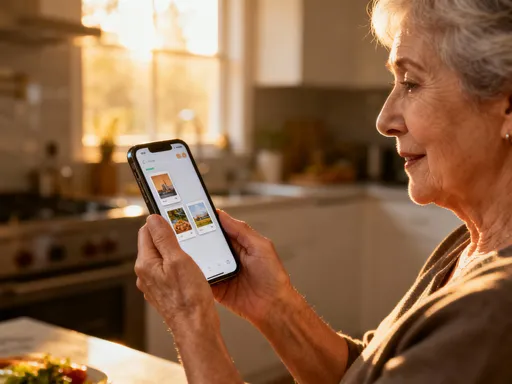
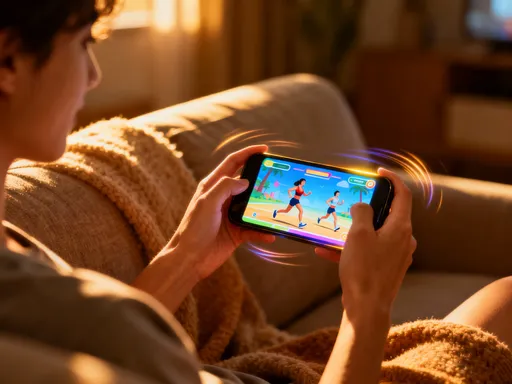
The shift began almost by accident. I downloaded a simple step-tracking game my cousin mentioned. No weights, no reps, just walking to help a little character explore a digital world. I thought, “Well, I’m walking to the mailbox anyway—why not?” The first few days, I didn’t even notice I was doing more. But then something changed. I caught myself thinking, “Hmm, if I take the long way around the block, I can unlock the next level.” I was… intrigued. Not disciplined. Not forcing myself. Just curious.
That curiosity grew. I started choosing the stairs at work because my avatar needed to climb a mountain. I danced with my daughter in the kitchen, and later realized I’d completed a “90-second movement challenge” in the app. It wasn’t exercise as I knew it. It was play. And play doesn’t feel like work. It feels like living. The game didn’t tell me to “burn calories” or “lose weight.” It said, “You’ve earned a new hat for your character!” or “Your garden is growing!” And somehow, that mattered. Not because I cared deeply about a digital hat, but because I felt seen. I felt like I was making progress—even if it was small.
This was different from every other fitness tool I’d tried. Instead of focusing on what I wasn’t doing, it celebrated what I *was*. It didn’t compare me to others. It didn’t set impossible goals. It met me where I was. And slowly, without even realizing it, I was moving more. Not because I had to, but because I wanted to. Isn’t that what real change feels like?
How Tiny Challenges Build Real Change
You might wonder—how can dancing for 90 seconds or walking an extra block really make a difference? The secret isn’t in the action itself. It’s in what happens after. Every time I completed a tiny challenge, the app gave me instant feedback: a cheerful sound, a little animation, a message like “Great job!” That small reward triggered something powerful in my brain—dopamine, the feel-good chemical linked to motivation and learning. It wasn’t about the prize. It was about the feeling of accomplishment.
Psychologists call this a “feedback loop,” and it’s one of the most effective ways to build habits. Think about it: when you finish a level in a game, you don’t stop. You want to play the next one. That’s the magic. These apps use game design not to distract, but to guide. They break big goals—like “get fit”—into micro-actions: “Take 200 steps after lunch,” “Do 5 wall push-ups while brushing your teeth,” “Stretch for 60 seconds before bed.” Each one takes less effort than deciding what to cook for dinner.
But here’s the real win: consistency. When you do something small every day, it stops feeling like a chore. It becomes normal. I didn’t wake up one day “fit.” I became someone who moves, little by little. And that’s how real change happens—not in grand gestures, but in daily choices. The app didn’t make me disciplined. It made it easy to choose movement, again and again, until it felt natural. And the best part? No guilt when I missed a day. The game just said, “Welcome back! Your character missed you.” That kindness kept me coming back.
Turning Movement into a Daily Ritual
One of the biggest lessons I’ve learned is this: habits stick when they fit into your life, not when they disrupt it. I used to think I needed a full hour, special clothes, and a quiet house to work out. But real life doesn’t work that way. There are meals to cook, emails to send, kids to help with homework. Trying to “find time” for exercise only made me feel more overwhelmed.
Gaming apps changed that by turning movement into part of my routine. Now, while my coffee brews, I do a quick set of standing twists. While waiting for the oven to preheat, I squat like I’m sitting into an invisible chair. I walk around the living room during phone calls. These aren’t workouts. They’re tiny moments of motion woven into the day. And because they’re tied to things I was already doing, they didn’t feel like extra work.
The apps helped by sending gentle nudges at just the right time: “Time to stretch! Your character just woke up from a nap.” Or “Can you walk for 3 minutes? A new clue is waiting.” These weren’t demands. They were invitations. And because they felt playful, I was more likely to say yes. Over time, these small actions became automatic. I didn’t have to remember to move—I just did. It’s like how you don’t “remember” to brush your teeth. It’s just part of your rhythm. That’s the power of integration. Fitness stopped being a separate task and became part of how I live.
The Hidden Social Spark
Here’s something I didn’t expect: even though I was playing alone, I never felt lonely. Many of these apps have light social features—not the kind that make you post your progress on social media, but quiet ways to feel connected. For example, I joined a small group of players who “walk together” virtually. We don’t chat every day. We don’t compete for top spot. But when I hit a milestone, I get little hearts and emojis from them. When I see someone else unlock a new level, I tap a “cheer” button. It’s simple. But it matters.
It reminds me that I’m not the only one trying to move more. I’m part of something small but meaningful. And that sense of belonging makes a difference. On days when I’m tired or unmotivated, seeing a friend’s progress or a cheerful message gives me a little boost. It’s not pressure to perform. It’s encouragement to keep going. It’s like having a fitness buddy who texts you a smiley face instead of a guilt trip.
Some apps even let you send “energy” or “support” to others, which helps your own character grow too. It’s a beautiful design—kindness helps everyone. I’ve found myself rooting for people I’ve never met, and that’s created a surprising sense of community. We’re not chasing perfection. We’re just showing up, doing our best, and lifting each other up in quiet ways. And honestly? That feels more powerful than any leaderboard.
Raising the Bar Without the Stress
One of my biggest fears about fitness was burnout. I’d push too hard, feel sore, and quit. But these gaming apps are smart—they grow with you. At first, my goals were simple: walk 500 steps, do 10 jumps, stretch for a minute. As I completed them consistently, the challenges gently increased. Not drastically. Not overnight. But just enough to keep me engaged.
For example, my daily walk started as a “stroll through the village” in the game. After a few weeks, it became a “treasure hunt” with clues hidden along the path. Then it turned into a “rescue mission” where I had to reach certain step counts to save a character. The game didn’t tell me I was building stamina—it just made the story more exciting. And because I cared about the story, I kept going.
This concept is called “adaptive gameplay,” and it’s rooted in how we learn. When a challenge is just slightly harder than your current ability, you’re in the “sweet spot” for growth. Too easy, and you get bored. Too hard, and you give up. These apps find that balance. They don’t throw you into a 10K run. They start with a 5-minute walk and, over months, help you build up to longer distances—without you feeling overwhelmed.
I’ve noticed real changes in my body. I climb stairs without getting winded. I can play tag with my niece without needing to sit down after two minutes. I have more energy in the afternoons. None of this happened because I “pushed through pain.” It happened because I kept showing up for the game—and the game kept making it worth my while.
A Lighter, Brighter Way to Stay Active
Looking back, I realize my journey wasn’t really about fitness. It was about reclaiming joy. For years, I associated movement with guilt, pressure, and failure. Now, I associate it with curiosity, play, and small wins. I don’t use the app to track calories or count reps. I use it to see how far my character has traveled, what new outfits they’ve earned, or what story chapter we’ve unlocked together.
But the real rewards aren’t on the screen. They’re in how I feel. I sleep better. My mood is more stable. I have more patience with my family. I feel stronger—not just in my body, but in my mind. I’ve proven to myself that I can build a habit, not through willpower, but through kindness and play. And that’s changed how I approach other areas of my life too.
These apps didn’t turn me into an athlete. They turned me into someone who moves with ease, who listens to her body, and who finds little moments of fun in a busy day. And honestly? That’s more than enough. If you’ve ever felt stuck on the couch, wondering how to start, I want you to know this: you don’t need a gym. You don’t need a perfect plan. You just need a little play. Because sometimes, the best way to take care of yourself isn’t through discipline—it’s through delight. And that’s a habit worth keeping.