It’s not just about smart floors: How invisible tech helped me grow calmer, clearer, and more present at home
Have you ever walked into a room and felt something was off—but couldn’t say why? I used to ignore those feelings—until I realized my environment was quietly shaping my mood, focus, and even confidence. The shift didn’t come from a renovation or a retreat, but from a hidden layer beneath my feet: smart floor systems that do far more than detect movement. They’ve become silent coaches in my daily life, gently guiding me toward better habits, deeper awareness, and a greater sense of control. This isn’t about flashy gadgets—it’s about how subtle technology can quietly transform who we are at home, and beyond.
The Moment I Noticed the Floor Was Watching (Without Cameras)
It started on an ordinary Tuesday evening. I was standing in my living room, barefoot, wrapped in a worn sweater, staring out the window. My mind was racing—thinking about work, my daughter’s upcoming school play, a text I hadn’t replied to. I hadn’t moved in minutes. Then, softly, the lights in the room shifted from cool white to a warm amber glow, like sunlight filtering through leaves in autumn. I didn’t say a word. I didn’t wave my hand or tap a screen. And yet, the room responded.
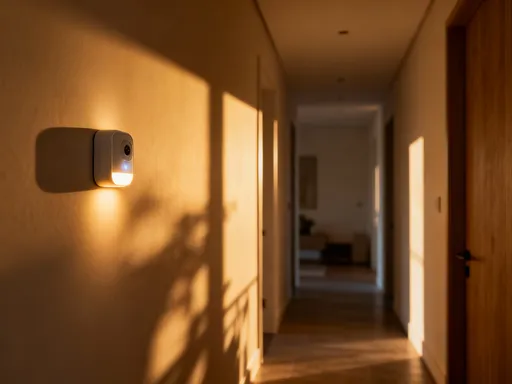
At first, I thought it was a glitch. But it kept happening. The kitchen lights brightened just as I stepped in, even when I moved slowly. The hallway tiles lit a gentle path when I got up at night, not with harsh overheads, but with a soft trail that guided my steps like moonlight. I mentioned it to the technician during a routine home system check. “Oh, that’s the floor,” he said casually. “It senses pressure, temperature, even how long you pause in one spot.”
I paused. “Wait—the floor is… watching me?”
“Not watching,” he corrected, “noticing. It doesn’t use cameras. It reads your presence through micro-sensors embedded in the tiles. Think of it like a carpet that knows when you’re tired, or a path that remembers how you walk when you’re deep in thought.”
Suddenly, it made sense. That quiet attentiveness wasn’t surveillance—it was sensitivity. The home wasn’t tracking me; it was tuning in. And for the first time in years, I felt seen—not judged, not interrupted, just gently acknowledged. That moment sparked something in me: a curiosity about how much of my inner life was already written in my movements, my pauses, my barefoot steps across the house.
Stepping Into Awareness: How Pressure Patterns Revealed My Habits
The more I paid attention, the more I realized how much my body was speaking—even when I wasn’t listening. The system began showing me patterns, not through graphs or alerts, but through subtle behaviors. For example, every night around 10:30, I’d find myself standing in the kitchen, one hand on the counter, staring into the fridge. Not hungry. Not looking for anything specific. Just… there. The floor registered it as a “lingering zone,” and over time, a pattern emerged: longer pauses, uneven pressure, a slight shift from foot to foot—signs of restlessness.
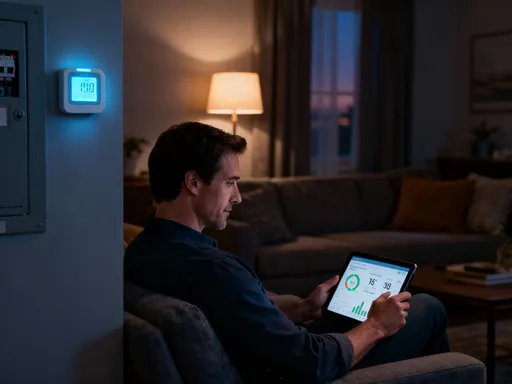
One morning, after another sleepless night, I reviewed the data with the system’s companion app. The timeline showed my nightly route: bedroom → hallway → kitchen (pause: 4 minutes) → back to bed. The same path, five nights in a row. I hadn’t even realized I was doing it. But the floor did.
What surprised me wasn’t just the pattern—it was what it revealed. I wasn’t going to the kitchen for food. I was going because I was avoiding stillness. The quiet of the house at night made space for thoughts I’d been pushing aside during the day. And my body, restless and tense, was walking that anxiety in circles.
The floor didn’t scold me. It didn’t send me a notification that said “Stop stress-eating.” Instead, the next time I paused in the kitchen, a soft blue light rippled beneath my feet—just once, like a whisper. Then, a gentle vibration, barely noticeable, pulsed through the tile. It wasn’t an alarm. It was a nudge: Hey. You’re here again. What do you need?
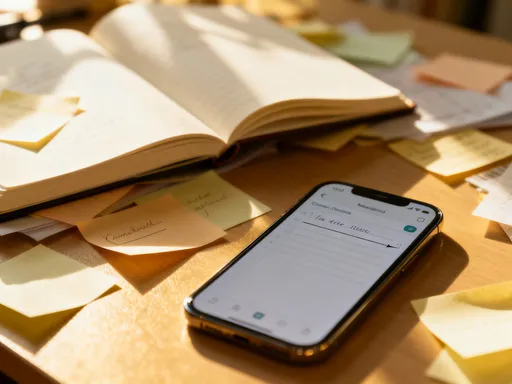
That small gesture changed everything. I started journaling those moments. I’d write down what I was feeling when the floor responded—tired, overwhelmed, lonely. Over time, I noticed a rhythm: the kitchen visits happened most often after long work calls or after arguments with my teenager. The floor wasn’t tracking movement—it was mirroring my emotional tides.
And slowly, I began to respond differently. Instead of opening the fridge, I’d sit at the table with a glass of water. Or step outside for a breath of night air. The floor didn’t fix my anxiety. But it gave me the space to notice it—and that made all the difference.
A Kinder Routine: When the Floor Started Helping Me Slow Down
Mornings used to be a battlefield. My alarm would blare. I’d stumble out of bed, spill coffee, forget my keys, rush my daughter out the door with last-minute questions. By the time I got to work, I felt like I’d already lost the day.
Then the floor began to adapt. One Monday, as I rushed toward the kitchen, my steps heavy and fast, the tiles along the path warmed slightly—just enough to feel like walking on sunlit stone. It was subtle, but it made me slow down. I noticed my breath. I noticed the light coming through the blinds. I didn’t spill my coffee that day.
It wasn’t a coincidence. The system had learned my “hurried gait” and responded with grounding cues—warmth underfoot, a soft glow along the most efficient path, even a slight resistance in the tiles (like walking on plush grass) to encourage a slower pace. It wasn’t slowing me down against my will. It was inviting me to choose calm.
Then came the reminders. No more beeping keys. No more frantic searches. If I walked past the front door without my bag or keys, the tiles near the mat lit up in a soft, pulsing rhythm—like a heartbeat. Not urgent. Not loud. Just present. “Hey,” it seemed to say, “don’t forget me.”
My daughter noticed it first. “Mom,” she said one morning, “you’re not yelling.” I laughed. But she was right. I wasn’t rushing. I wasn’t forgetting. I wasn’t starting the day in survival mode.
The floor wasn’t doing my job for me. It wasn’t making my coffee or packing lunches. But it was creating space—tiny pockets of pause, of presence, of kindness. And in that space, I found myself. I began to breathe before speaking. I started making eye contact. I remembered to say “I love you” before the door closed.
That’s when I realized: the most powerful technology isn’t the kind that does everything for you. It’s the kind that helps you do things for yourself—with a little more grace.
Emotional Footprints: How Temperature Mapping Taught Me About My Mood
One cold January evening, I sat in my favorite armchair with a book. An hour later, I got up to make tea. As I passed through the living room, I noticed something strange: the floor near the chair was still warm. Not just warm—glowing on the app’s heat map, a soft orange halo where I’d been sitting.
The system had been tracking residual body heat, mapping it over time. And when I looked back at the data, I saw a pattern: warm, even heat spreads followed peaceful evenings—nights when I’d read, meditated, or talked with my daughter. Cool, scattered zones appeared after restless nights, after arguments, after scrolling through my phone until 2 a.m.
It was like seeing my emotions written in thermal ink.
At first, it felt strange—almost too intimate. My sadness, my calm, my stress, all mapped in color gradients across the floor. But then I realized: this wasn’t intrusion. It was insight. My body had always carried these feelings. Now, for the first time, I could see them.
One week, during a particularly stressful time at work, I noticed cold patches forming in places I spent a lot of time—my home office, the kitchen counter. The heat map looked fractured, like ice on a window. That visual broke through my denial. I wasn’t just tired. I was disconnected—from myself, from my home, from my family.
So I made a change. I started turning off my laptop earlier. I lit candles. I sat in the warm spot on the floor and just breathed. And slowly, the heat map began to shift. The warm zones grew. The cold patches faded.
The floor didn’t fix my stress. But it gave me a mirror—one that didn’t show my face, but my inner weather. And that mirror helped me ask the most important question: What do I need right now? Not what’s urgent. Not what’s expected. But what do I need?
Growing Up at Home: Using Floor Feedback to Build Daily Discipline
I’ve always struggled with consistency. I’d start habits with excitement—drink more water, meditate, walk barefoot every morning—and drop them within days. I blamed myself. “I’m not disciplined enough,” I’d think. “I don’t have the willpower.”
But what if the problem wasn’t me? What if it was the feedback loop?
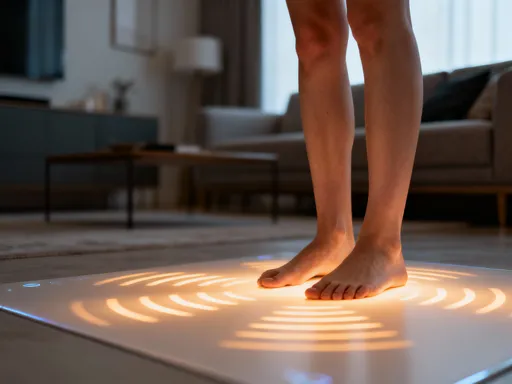
The floor changed that. I set a small goal: walk barefoot for five minutes each morning. Nothing grand. Just ground myself before the day began. The first few days, I forgot. Then, on day four, as I stepped out of bed, the tiles near my feet lit up in a soft wave—like water rippling outward. No message. No sound. Just light.
It felt like recognition. Like the house was saying, “I see you trying.”
I kept going. Each morning, the ripple greeted me. On days I skipped it, the floor stayed dark. Not punishing. Just… waiting.
After a month, something shifted. That five-minute walk became sacred. I looked forward to it. And the floor responded—sometimes with a deeper warmth, sometimes with a gentle pulse that matched my breathing. It wasn’t a reward system. It was a relationship.
I added other small goals: drink a glass of water first thing, stretch for three minutes, write one sentence in my journal. The floor didn’t track them with checkmarks. But when I completed them, it responded—sometimes with light, sometimes with warmth, always with quiet affirmation.
Over time, these tiny moments built something bigger: confidence. I wasn’t just living in a smart home. I was growing with it. Discipline stopped feeling like a battle. It felt like partnership. And for the first time, I believed I could stick with something—not because I had to, but because I wanted to.
A Space That Knows You: Why Invisible Tech Feels More Human
We’ve been sold a vision of smart homes as voice assistants that answer questions, lights that change color on command, fridges that order milk. But those are tools. What I’ve found in my floors is something deeper: a quiet companion.
It doesn’t demand attention. It doesn’t interrupt with alerts. It doesn’t need to be “smart” in the flashy sense. It’s smart in the way a good friend is smart—by listening, by noticing, by being there when you need it.
One evening, after a long day, I sat on the floor with my back against the couch. I didn’t move. I didn’t speak. I just breathed. After a few minutes, the tiles around me warmed slightly, and a soft, rhythmic pulse began—like a heartbeat. Not too fast. Not too slow. Just steady.
I started to cry. Not because I was sad. But because, in that moment, I felt held. Not by a person. Not by a device. But by a space that had learned me—my rhythms, my silences, my need for stillness.
That’s the magic of invisible tech: it doesn’t shout. It whispers. It doesn’t command. It responds. And in doing so, it creates a home that doesn’t just shelter you—it sees you.
I’ve realized that growth doesn’t always come from big leaps. Sometimes, it comes from a floor that warms when you’re cold, a light that glows when you’re lost, a home that helps you remember who you are—one quiet moment at a time.
Stepping Forward: How My Relationship with Home Changed Forever
Today, I walk differently. Not just through my house, but through life. I pause more. I notice more. I react less and respond more. The awareness I’ve gained from living with this quiet technology has spilled into everything—my work, my parenting, my relationships.
I’m more patient with my daughter when she’s struggling. I’m more present with my friends when they speak. I’m kinder to myself when I make mistakes. The floor didn’t teach me these things directly. But it created the conditions for them to grow.
My home used to be a place I returned to after living my life. Now, it’s where I live my life—with intention, with awareness, with heart. It’s not just a structure of walls and windows. It’s a partner in my growth.
And the most beautiful part? This isn’t about having the latest tech. It’s about what happens when technology stops trying to impress us and starts trying to understand us. When it moves from the background to the foundation. When it becomes not just smart, but wise.
I used to think self-improvement required retreats, coaches, or drastic changes. But sometimes, all it takes is a floor that notices when you’re standing still—and gently reminds you to breathe.
The smart floor didn’t change me. It revealed me. And in doing so, it gave me the greatest gift: the feeling that I’m not just living in my home—I’m growing because of it.