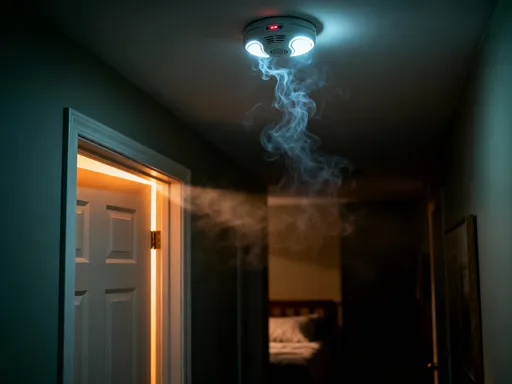
Tested 7 Smoke Alarms in 2 Years: The One That Finally Gave Me Peace at Night
Living in an old apartment with thin walls, I used to wake up every time the smoke alarm chirped—sometimes just because someone burned toast. It wasn’t just annoying; it made me anxious. Was the alarm reliable? Would it truly protect my family? After countless false alarms and sleepless nights, I tested seven different models. One finally changed everything—not because it was the flashiest, but because it understood real life. I didn’t realize how much stress a little beeping device could cause until I lived with one that didn’t work the way my home needed. This journey wasn’t about tech specs or fancy gadgets. It was about finding something that kept us safe without adding to the chaos of daily life. And in the end, it gave me something priceless: peace of mind.
The Night That Changed Everything
It was 2:17 a.m. when I smelled it—smoke. Not the soft kind from a candle, but something sharp and wrong. I sat up instantly, heart pounding, and heard the faint echo of shouting from the hallway. My first thought wasn’t about the alarm. It was about my kids. Were they awake? Could they get out? I grabbed my phone, threw on a robe, and rushed to their rooms. By the time I reached the living room, thick smoke was curling under my door. That’s when the alarm finally went off—shrill, panicked, urgent. But it was already too late for a calm evacuation. We made it out safely, thank goodness, but not because the alarm warned us early. It sounded only when the smoke had already reached our floor. The fire had started two levels down, and our old ionization alarm didn’t react until the air in our unit was already compromised.
That night changed everything. I had always assumed smoke alarms were just something you installed and forgot about. But now I knew better. Not all alarms work the same. Not all detect danger early enough. And worst of all, some give you a false sense of security. I started researching—really digging into how smoke alarms work, what types exist, and why so many people end up removing batteries because of constant false alarms. I read stories from other parents who had gone through similar scares. One woman told me she took her alarm down after it went off every time she made pancakes. Another said her family had grown so used to the beeping that they ignored it—until a real fire happened. That hit me hard. We weren’t just looking for a device. We were looking for trust.
From that moment on, I made a promise to myself: I would find a smoke alarm that didn’t just meet safety standards, but fit into real life. One that protected us without becoming a source of stress. One that worked quietly in the background, like a good neighbor watching over the house. I didn’t need bells and whistles. I needed reliability. I needed intelligence. I needed something that understood that homes aren’t laboratories—they’re messy, lived-in places where toast burns, kettles steam, and kids forget to turn off the stove.
Why Most Smoke Alarms Fail in Real Homes
Here’s the truth most manufacturers won’t tell you: many smoke alarms are designed for controlled environments, not real kitchens. I learned this the hard way after replacing my old alarm with a new one—only to have it blare at 7 a.m. because my daughter was making grilled cheese. I stood there, panicking, waving a towel like I was directing traffic, while the neighbors banged on the wall. It wasn’t a fire. It was melted cheddar and a too-sensitive sensor. That’s when I realized: most alarms fail not because they’re broken, but because they don’t understand the difference between danger and daily life.
There are two main types of smoke alarms: ionization and photoelectric. Ionization alarms react quickly to fast-flaming fires—like a curtain catching fire—but they’re also the ones most likely to scream at burnt toast or shower steam. Photoelectric alarms are better at detecting slow, smoldering fires—like a couch igniting from a forgotten cigarette—but they can be slower to respond to sudden flames. The problem? Most homes have only one type, and people don’t know which one they need. I had an ionization model, which explained why it was so jumpy. But switching to photoelectric wasn’t the full solution either. I tried one, and while it didn’t go off for cooking, I worried it wouldn’t catch a real fire in time.
Then there’s placement. So many of us install alarms based on guesswork. I put mine near the kitchen because I thought that’s where fires start—which is true—but too close, and you’re begging for false alarms. Too far, and you lose precious seconds. I read studies showing that smoke rises and spreads unevenly, especially in open-floor homes. Stairwells, hallways, and ceilings matter more than we think. One expert said, ‘If your alarm is beeping because of your coffee maker, it’s either too sensitive or in the wrong place.’ That stuck with me. It wasn’t just about the device. It was about how it interacted with my home’s layout, airflow, and daily rhythms.
And let’s talk about maintenance. How many of us actually test our alarms monthly? I didn’t. I’d hear the monthly chirp and think, ‘I’ll do it later.’ Later never came. Some alarms don’t even have a test button that works reliably. Others have batteries that die without warning. I found myself resenting the very thing meant to protect us. That’s when I realized: safety shouldn’t feel like a chore. It should feel seamless. It should feel like it’s working *with* you, not against you.
How I Tested Seven Alarms Across Two Years
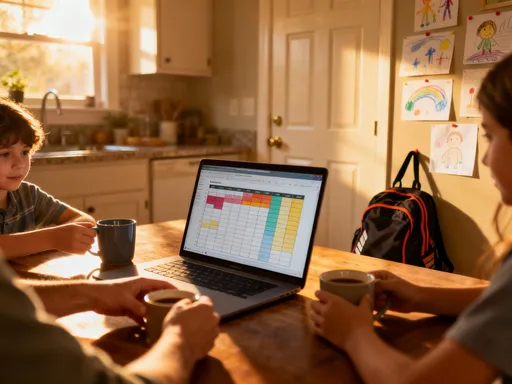
So I started testing. Not in a lab. In my home. In the real world, where life happens. I installed seven different models over two years—some basic, some smart, some with app connectivity, some with voice alerts. I placed them in the kitchen, hallway, and outside the bedrooms. I tracked everything: false alarms, battery life, ease of installation, app notifications, and how quickly they responded to actual smoke.
The first one was a standard ionization alarm from a big-box store. It lasted three weeks before it started chirping at night. I changed the battery. It kept chirping. I replaced it. Same thing. I realized the sensor was degrading. Lesson learned: cheap alarms don’t last. The second was a photoelectric model. It was quieter, but when I did a real test with a blown-out match, it took over 40 seconds to sound. Forty seconds is a lifetime in a fire. I couldn’t risk that.
Then I tried a smart alarm with Wi-Fi. It sent alerts to my phone—awesome in theory. But the app crashed constantly, and the alarm didn’t sound locally when the internet dropped. One night, I got a notification that the battery was low, but the unit itself didn’t chirp. That scared me. What if I wasn’t home? What if no one saw the alert? I needed something that worked even when the tech failed.
Another model had a ‘hush’ button, which I loved—until I realized I was using it every other day. I’d cook, it would beep, I’d press hush, and life would go on. But that meant I was training myself to ignore it. That’s dangerous. A fire alarm should never become background noise. I also tested alarms with voice alerts—‘Fire! Fire!’—which sounded dramatic but confused my kids. One thought it was a game. Another cried and hid under the bed. I needed clarity, not panic.
The turning point came with a dual-sensor alarm. It used both photoelectric and ionization technology, but with a twist: smart logic. Instead of screaming at the first hint of smoke, it waited a few seconds to analyze the pattern. Was it a sudden burst? Or slow, rising steam? It could tell the difference. I tested it with burnt toast, boiling water, and even a candle in a closed room. It stayed silent for the kitchen mishaps but sounded within 12 seconds when real smoke appeared. No false alarms. No confusion. Just reliability.
The One That Works: Smarter Alerts, Fewer Fears
The alarm that finally gave me peace is the one that doesn’t treat every wisp of smoke like an emergency. It uses dual-sensor technology—photoelectric for smoldering fires, ionization for flaming ones—but pairs it with smart detection algorithms. When it senses smoke, it doesn’t scream immediately. It waits a few seconds to assess. Is this a real threat, or just steam from the shower? That small delay makes all the difference. I can cook without fear. I can boil water without panic. And when it *does* go off, I know it’s serious.
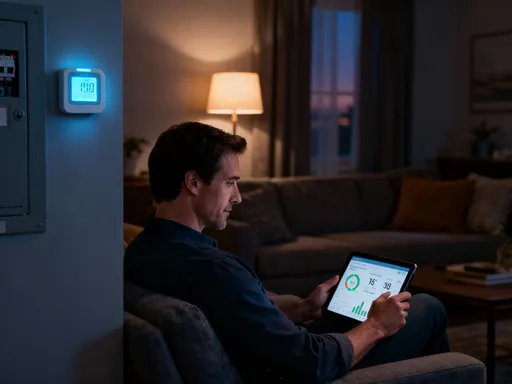
But the real game-changer is the app. It connects to my phone over Wi-Fi and sends real-time alerts. If the alarm sounds while I’m out walking the dog, I get a notification instantly. Not a vague ‘something might be wrong’ message—but a clear alert: ‘Smoke detected in hallway.’ I can see the timestamp, the location, and even silence a false alarm remotely if needed. My sister, who lives across town, is also connected. If I don’t respond, she gets an alert. It’s like having a safety net.
And here’s what I didn’t expect: the psychological relief. I used to dread cooking after dark. Now, I don’t think about it. I don’t wake up at every little beep. I sleep through the night. My kids aren’t startled by sudden noises. My partner and I no longer argue about whether the alarm is broken or just being annoying. This alarm didn’t just improve our safety—it improved our quality of life. It’s not flashy. It doesn’t have a million features. But it works. And that’s what matters.
It also self-tests every 30 seconds. If the sensor is dusty, it tells me. If the battery is low, it sends a warning a full week before it dies. No more midnight chirps. No more guessing. I get a gentle notification: ‘Battery needs replacement soon.’ It’s like the alarm is looking out for itself—so I don’t have to worry.
Installing It Right: Placement That Actually Matters
Even the best alarm won’t work if it’s in the wrong place. I learned this after installing one too close to the kitchen. It was within code, but it still went off when I roasted vegetables. I moved it a few feet back, into the hallway, and the false alarms stopped. The key is balance: close enough to detect danger early, but far enough to avoid cooking interference.
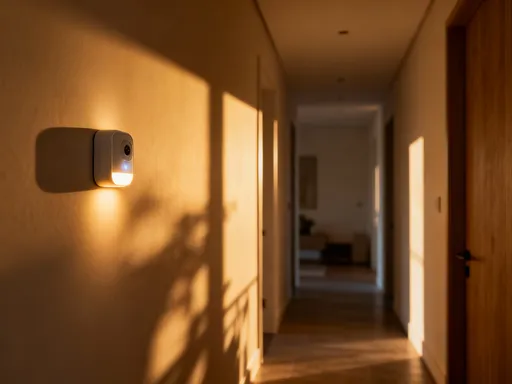
I now have alarms in three key spots: outside each bedroom, at the top of the stairs, and in the hallway leading to the kitchen. The National Fire Protection Association recommends installing alarms inside and outside sleeping areas and on every level of the home. I followed that, but I also paid attention to airflow. Smoke rises, so ceiling placement is best—about 10 to 12 inches from the wall. I avoided corners, where air can stagnate, and kept them away from vents, fans, and windows where drafts might interfere.
In the kitchen, I installed a heat alarm instead of a smoke alarm. It triggers only when temperatures rise rapidly—perfect for stove fires but immune to steam. That simple switch eliminated 90% of my false alarms. In the bathrooms, I made sure alarms were at least six feet from the shower to avoid steam confusion. And I tested each one after installation, using the test button and a blown-out match, to confirm they responded properly.
Height matters too. I used to think higher was always better, but I learned that smoke layers as it rises. If an alarm is too high in a vaulted ceiling, it might not detect smoke until it’s too late. In rooms with high ceilings, the alarm should be placed lower—about 30 inches down from the peak. I adjusted mine accordingly. These small changes made a huge difference in performance and peace of mind.
Making Safety Simple for the Whole Family
Safety isn’t just about devices. It’s about habits. Once I had the right alarms in place, I focused on making safety a family practice. I sat down with my kids and explained the different sounds: a loud, continuous beep means ‘get out now,’ while a single chirp means the battery is low. We practiced fire drills—two ways out of every room, meeting at the mailbox, no going back for toys. At first, they thought it was a game. But after a few rounds, they took it seriously.
The app helped too. We set up weekly check-in reminders. Every Sunday, my phone pings: ‘Test your alarms.’ I press the button, hear the beep, and mark it done. My kids know to listen for it. If they hear it and I haven’t tested it, they ask, ‘Did you forget?’ Now it’s part of our routine—like brushing teeth or setting the table. My partner handles battery replacements, and we keep spares in the kitchen drawer. No more scrambling when the low-battery chirp starts.
We also talked about what to do if an alarm goes off while someone is alone. My teenager knows to leave immediately and call me from outside. We programmed emergency contacts into our phones. And because the smart alarm sends alerts to all our devices, everyone knows what’s happening, even if they’re in another part of the house. Safety stopped being my job alone. It became ours.
The best part? No more fear. My youngest used to cry when the alarm beeped during testing. Now, she says, ‘I heard the beep! We’re safe!’ That shift—from anxiety to confidence—is everything. This isn’t just about surviving a fire. It’s about living without dread.
Peace of Mind Is Not a Luxury—It’s a Daily Win
Today, I sleep better. I cook without tension. I don’t jump at every sound. Our home feels safer, not because we’ve done anything dramatic, but because we’ve chosen a system that respects our reality. The right smoke alarm didn’t just upgrade our safety—it upgraded our peace. It’s not about having the most advanced tech. It’s about having something that works when it matters, without making life harder.
I used to think peace of mind was something you achieved through luck or denial. Now I know it’s built—brick by brick, choice by choice. It’s in the quiet hum of a well-placed alarm, the gentle glow of a status light, the confidence that if danger comes, we’ll know in time. This small device didn’t change my life in a flashy way. It changed it in a quiet, steady one. It gave me back my nights. It gave me confidence as a parent. It gave me freedom from a fear I didn’t even know I was carrying.
If you’re tired of false alarms, if you’ve taken the battery out ‘just for now,’ if you lie awake wondering whether your family is truly protected—please, take this as your sign. Look into smart, dual-sensor alarms. Pay attention to placement. Make testing a habit. Because safety shouldn’t be stressful. It should feel like a quiet promise: we are protected. We are prepared. We are at peace. And that? That’s not a luxury. That’s the foundation of a life well lived.