Tired of overpaying on bills without knowing why? This smart tracker finally brought mine under control
We’ve all been there—opening the monthly electricity bill with a knot in our stomach, wondering why it’s higher than last month, even though we didn’t change a thing. You adjust the thermostat, unplug devices, and still feel like money is slipping through the cracks. I felt the same—until I discovered a simple tech tool that showed me exactly where my energy was going. It didn’t just cut my bills—it gave me peace of mind. No more guessing, no more frustration. Just clear, real-time answers about how my home uses power. And the best part? It didn’t require me to become an electrician or spend hours learning how to use it. This isn’t about complicated gadgets or extreme lifestyle changes. It’s about using smart technology to make everyday life easier, more affordable, and more in control. And honestly, it’s changed everything.
The Shocking Moment My Bill Doubled in One Month
I remember standing in my kitchen, coffee in hand, staring at the envelope from the utility company like it was a personal betrayal. My electricity bill had nearly doubled—$247 this month, up from $132 just 30 days earlier. I hadn’t hosted guests. I hadn’t run the AC nonstop. In fact, I’d been extra careful about turning off lights and unplugging chargers. So why the sudden jump? I went through my routine like a detective: Did I leave the oven on? Was the garage door opener malfunctioning? Maybe there was a billing error? I called customer service, and after 45 minutes on hold, all they could tell me was, “Usage was high during peak hours.” Great. But what does that even mean?
That moment sparked something in me—a mix of frustration and determination. I realized I was living in the dark, literally and figuratively. I was paying for energy I didn’t understand, with no way to track where it was going. And I knew I wasn’t alone. So many of us, especially those managing households, are expected to keep things running smoothly while also keeping costs down. But how can we manage what we can’t see? That’s when I made a decision: I wasn’t going to guess anymore. I wanted real answers. I wanted to know exactly what was using power in my home, when it was using it, and how much it was costing me. That’s how I started looking into smart energy monitors—and how I finally took back control.
How Invisible Energy Use Turns Into Real Money Lost
Here’s something most of us don’t think about: your home is full of silent energy thieves. They’re not breaking in through windows—they’re hiding in plain sight, plugged into outlets and running in the background while you go about your day. These are what experts call “phantom loads” or “vampire power”—the energy devices use even when they’re turned off. That coffee maker with a digital clock? It’s drawing power 24/7. The TV that’s off but still connected to the soundbar and gaming console? It’s still sipping electricity. Even phone chargers left plugged in—yes, even without a phone attached—can add up over time.
I used to think I was being careful. I’d turn off lights, unplug what I remembered, and avoid running the dryer during the day. But what I didn’t realize was that small, constant drains were adding up in ways I couldn’t see. One study found that standby power can account for up to 10% of a household’s electricity use. That’s like leaving a light on in every room—every single day—for free. And when I started adding up the numbers, it was eye-opening. That old microwave with the glowing clock? It costs about $15 a year just to sit there. The entertainment center with multiple devices on standby? That could be $50 or more annually. The guest room space heater left plugged in “just in case”? Another $30. Suddenly, those little things weren’t so little.
The problem is, you can’t fix what you can’t measure. We’ve all tried manual tracking—writing down when we turn things on and off, guessing how long the fridge runs, or assuming the water heater is efficient. But it’s exhausting, and honestly, it doesn’t work. Our lives are too busy for spreadsheets and estimations. What I needed wasn’t more effort—it was better information. I needed a way to see, in real time, what was really happening behind the walls of my home. And that’s exactly what smart energy monitoring offers.
Discovering the Smart Monitor That Sees What I Can’t
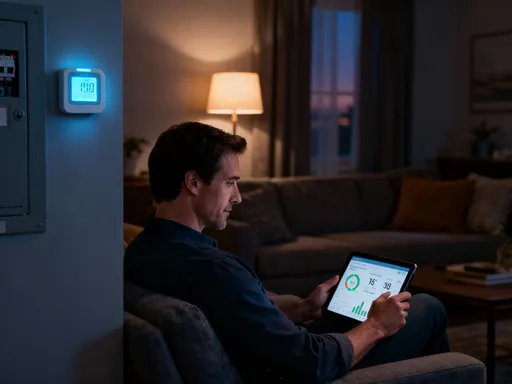
I’ll admit, when I first heard about home energy monitors, I thought they were for tech geeks or people with solar panels. I pictured complicated wiring, confusing apps, and a steep learning curve. But the one I ended up choosing was surprisingly simple. It’s a small device that connects to your home’s electrical panel—no rewiring, no electrician needed for most setups. It takes about 20 minutes to install, and once it’s in place, it starts tracking every circuit in your house.
The real magic happens in the app. Within minutes of turning it on, I could see which circuits were active, how much power they were using, and even how much that was costing me in real time. I watched as the kitchen circuit spiked when the toaster kicked in. I saw the garage circuit light up when the freezer compressor ran. And I caught the HVAC system cycling more often than it should—something I never would’ve noticed otherwise. It was like getting X-ray vision into my home’s energy habits.
But the biggest “aha” moment came at night. I was in bed, scrolling through the app before turning off the lights, and I noticed a steady draw on the living room circuit—about 80 watts—long after everything was supposed to be off. I went downstairs and found the culprit: the soundbar under the TV, which was supposed to turn off with the entertainment system but had gotten stuck in standby mode. It wasn’t much on its own, but over a month, that tiny drain added up to nearly $10. Multiply that by a few other silent users, and suddenly you’re looking at $100 or more a year—just for things that aren’t even being used.
This wasn’t about blaming myself for not being careful enough. It was about realizing that we’re not supposed to catch every little thing. Life is too full, too fast. What I needed wasn’t more willpower—it was better tools. And this monitor wasn’t just a gadget. It was a partner in making smarter choices.
What My Electricity Bill Was Hiding—And How I Fixed It
After a week of tracking, the monitor gave me a clear picture of my home’s energy story. Some of it was expected—the HVAC system was the biggest user, especially during the late afternoon. But other findings were surprising. The water heater, which I assumed was running efficiently, was actually cycling more than necessary, using extra energy to maintain temperature even when no one was home. The kids’ bathroom light? Left on for hours after showers, even though they swore they turned it off. And the garage freezer—well, that was a real shocker. It was using nearly 30% more power than it should, likely because the seal was worn and it was struggling to stay cold.
With this data in hand, I didn’t have to guess what to fix. I could prioritize based on real impact. First, I scheduled the water heater to lower its temperature during the day when we were out. Most systems allow this through a simple timer or smart thermostat—mine did, and it cut that circuit’s usage by almost 15%. Next, I added motion-sensor lights in the bathrooms and kids’ rooms. No more arguments about who left the light on—the room turns off the light for them. And for the garage freezer, I made the call to replace it with a newer, energy-efficient model. Yes, it was an upfront cost, but the monitor helped me calculate the savings: the old one was costing about $120 a year to run; the new one uses less than half that.
But the real game-changer was setting up alerts. The app lets me know if any circuit uses more than a certain amount of power during off-hours. One night, I got a notification that the kitchen was drawing high power at 2 a.m. I checked the camera (yes, I have one—more on that in a minute) and saw the oven light was on. Turns out, one of the kids had been making a snack and forgot to close the door fully. Without the alert, that could’ve gone on for hours, wasting energy and creating a safety risk. Now, I don’t have to be perfect. I just need to be informed.
Security That Actually Saves Me Money—Not Just Peace of Mind
When I first started looking into smart home tech, I thought of security and energy as two separate things. Security was about cameras and alarms. Energy was about bills and efficiency. But what I’ve learned is that they’re deeply connected. A smart home system doesn’t just watch for intruders—it can also watch for waste.
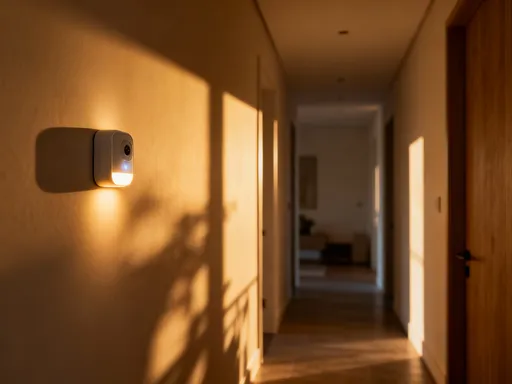
Take motion sensors, for example. Most people think of them as tools to turn on lights when you enter a room. But they can also turn them off when no one’s there. I set mine to shut off after 10 minutes of inactivity. Now, if someone walks into the pantry, the light comes on. If they leave and forget to turn it off, it shuts down automatically. Same with the basement and laundry room—spaces that often get forgotten.
But the real surprise came with my smart stove sensor. It’s a small device that monitors heat and usage patterns. One afternoon, I got an alert that the stove had been on for over an hour—unusual for a weekday. I wasn’t home, but I could check the live feed from my phone. Sure enough, the back burner was on low. I called my teenage daughter, who admitted she’d been reheating leftovers and forgot to turn it off. Could’ve been a fire hazard. Could’ve wasted hours of energy. Instead, I turned it off remotely through the app. That one alert probably saved me $5 in energy and, more importantly, gave me peace of mind.
It’s not just about preventing disasters. It’s about catching small habits before they become big problems. The sump pump in the basement, for instance, runs occasionally during heavy rain. But when the monitor showed it running nonstop for six hours, I knew something was wrong. Turns out, the float switch was stuck. I fixed it before it burned out or flooded the basement. Again, the system didn’t just save money—it prevented a much bigger expense.
Making the Whole Family Part of the Solution
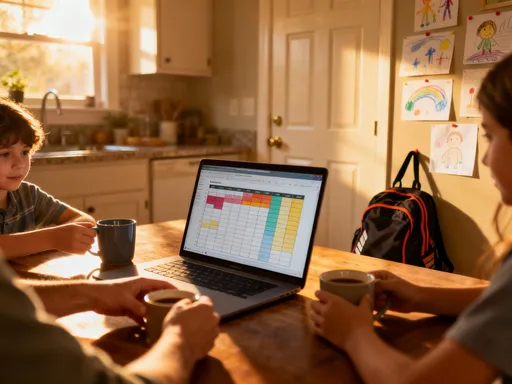
One of the biggest shifts wasn’t just in my habits—it was in how my family started thinking about energy. Before, I was the “energy police,” nagging the kids to turn off lights and unplugging devices myself. Now, we’re a team. I shared the app with my husband and older kids, and we started having weekly “energy check-ins” during dinner. We’d look at the usage chart, celebrate when we beat last week’s numbers, and talk about what we could improve.
It’s amazing how a little transparency changes behavior. My daughter started unplugging her gaming console without being asked. My son now turns off his desk lamp as soon as he leaves for school. And my husband—well, he’s the one who suggested we switch to LED bulbs in every room after seeing how much the old ones were costing. We even set a family goal: reduce our next bill by 15%. When we hit it, we celebrated with a movie night—powered, of course, by our energy-efficient TV.
Technology didn’t create distance in our home. It brought us closer. We’re not just saving money—we’re learning together, making decisions together, and feeling proud of what we’re accomplishing. It’s not about perfection. It’s about progress. And that shared sense of purpose has made all the difference.
From Stress to Confidence: How Tech Gave Me Back Control
Looking back, I realize how much emotional weight I was carrying—worrying about bills, feeling guilty about waste, and never quite knowing if I was doing enough. I thought being a good homemaker meant doing it all myself, managing every detail without help. But what I’ve learned is that being smart isn’t about doing more—it’s about working with better tools.
This small device didn’t just lower my electricity bill. It changed my relationship with my home. I’m no longer afraid of the monthly statement. I’m not frustrated by unexplained spikes. Instead, I feel informed, empowered, and in control. I know what’s happening behind the scenes, and I can make choices that align with my values—saving money, reducing waste, and protecting my family.
And the benefits go beyond the wallet. I’m using less energy, which means a smaller carbon footprint. I’m teaching my kids about responsibility and awareness. I’m sleeping better, knowing that if something’s wrong, I’ll know about it right away. This isn’t just about technology. It’s about peace of mind. It’s about reclaiming your time, your money, and your confidence.
If you’ve ever opened a bill and felt that knot in your stomach, I want you to know there’s a better way. You don’t have to live in the dark. You don’t have to guess. With the right tools, you can see clearly, act wisely, and finally feel in control. Because when it comes to running a home, the most powerful thing you can have isn’t more time or more energy—it’s clarity. And that’s exactly what smart technology can give you.