Cut my mom’s confusion with 7 membership cards: How a simple app brought us peace
Remember that moment when your parent fumbles through a wallet full of cards, forgetting which store offers senior discounts? I did. It wasn’t just frustrating—it felt helpless. Then I found a simple tool that changed everything. No tech jargon, no complicated setup—just clarity. This isn’t about fancy gadgets. It’s about giving your loved one dignity, ease, and control. And honestly? It brought us closer. Let me show you how something so small made such a big difference.
The Wallet That Broke My Heart
I remember standing at the grocery checkout, watching my mom pull out card after card—grocery, pharmacy, department store, rewards, bank perks—each one a promise she couldn’t keep track of. She’d whisper, “I think I’m missing something,” and my chest tightened. It wasn’t just about saving five dollars. It was about feeling capable. That day, I realized her struggle wasn’t memory loss—it was information overload. Older adults today carry more loyalty programs than ever, but no system to manage them. The emotional toll? Shame, stress, and a quiet sense of failure. I knew we needed a better way.
My mom has always been independent—cooking for the family, managing her schedule, volunteering at church. But lately, small things started to wear on her. She’d come home from the drugstore and say, “I forgot my card again,” with a shrug that didn’t quite hide the disappointment. I saw it in her eyes: the fear of becoming a burden. And honestly, I didn’t know how to help. I tried writing lists. I taped discount days to her fridge. But paper gets lost. Schedules change. And every time she forgot, the shame grew a little louder.
Then one afternoon, she handed me her worn leather wallet. “Can you make sense of this?” she asked. Inside were seven different membership cards, three expired coupons, and a receipt from two months ago. I held it like it was fragile, because in a way, it was. That wallet wasn’t just full of plastic—it was full of unmet promises, missed savings, and quiet frustration. I knew then that we weren’t just fighting forgetfulness. We were fighting for her confidence.
Why Membership Perks Are a Hidden Burden for Seniors
We assume discounts help seniors save money, but without organization, they create anxiety. Think about it: every store wants loyalty, but each program has different rules, expiration dates, and redemption methods. My mom once missed a 20% pharmacy discount because she forgot to scan her card—she cried over $12. That’s not rare. Many seniors feel overwhelmed by digital memberships, app logins, or QR codes. They either underuse benefits or avoid shopping altogether. The irony? These programs are meant to support them, yet they add mental load. Simplicity becomes survival.
Take the grocery store, for example. One week, there’s a senior discount on Wednesdays. The next, it’s tied to a digital coupon you have to clip online. Then the pharmacy offers a $10 reward when you spend $50—but only if you’re enrolled in their app. And don’t get me started on the department store that changes its loyalty points every season. For someone who grew up writing checks and remembering phone numbers, this digital maze feels like a test they didn’t sign up for.
And it’s not just about the money. It’s about dignity. When my mom couldn’t find her card at checkout, she’d apologize to the cashier like she’d done something wrong. “I’m sorry,” she’d say, even though no rule was broken. That apology wasn’t for forgetting a piece of plastic—it was for feeling out of place in a world that moves too fast. I started to see that these little moments weren’t just inconveniences. They were tiny cuts to her self-worth.
What surprised me most was learning that she wasn’t alone. At her senior center, I heard the same story over coffee: “I don’t want to bother my kids with this.” “I feel silly asking how to use an app.” “I just give up and pay full price.” These perks, designed to help, were actually making life harder. The system wasn’t broken because the offers weren’t good—it was broken because no one thought about how real people would use them.
How One App Cleared the Chaos (Without Overloading Her Phone)
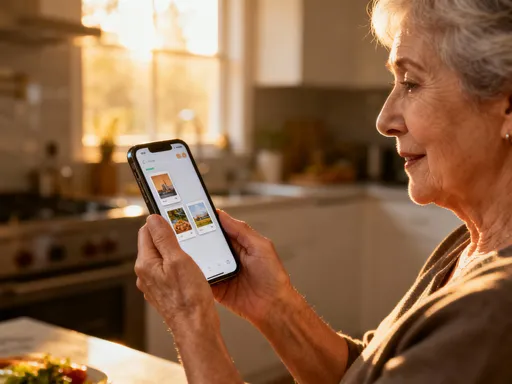
I tested several tools, but most were too complex—asking for email syncs, two-factor authentication, or constant updates. Then I found a lightweight app designed for clarity, not features. It lets you snap a photo of each card, name it simply (“Walgreens Senior Card”), and set reminders for expiring offers. No logins. No notifications unless she wants them. She opens it once a week, checks what’s active, and tucks her phone away. Best part? I can remotely update it from my phone if a new deal drops. It’s not smart because it’s high-tech—it’s smart because it respects her rhythm.
The app doesn’t try to do everything. It doesn’t track her steps, analyze her spending, or suggest new products. It does one thing: keep her benefits organized. She takes a photo of each card with her phone’s camera, gives it a simple name, and adds a note if needed—like “10% off first Tuesday of the month.” That’s it. No syncing with bank accounts. No facial recognition. Just photos and words she can understand.
What made the difference was how little it asked of her. Other apps wanted passwords, email addresses, and constant internet access. This one works offline. She can use it even if her Wi-Fi is spotty, which it often is. And because it doesn’t bombard her with alerts, she doesn’t feel like her phone is yelling at her. She’s in control. She decides when to check it, what to save, and what to ignore.
And for me, the remote access feature was a game-changer. When I saw a new senior discount at her favorite bookstore, I added it from my kitchen while making coffee. She got a simple notification: “New deal added.” No long explanation. No stress. Just peace of mind knowing she wouldn’t miss out. It turned me from a worried daughter into a quiet partner in her independence.
Teaching Mom to Use It—Without Saying “Just Click Here”
Tech adoption isn’t about features. It’s about trust. I didn’t hand her the app and walk away. We sat together, one card at a time. I said, “Let’s take a picture of your grocery card—like sending a photo to Aunt Linda.” I avoided words like “upload” or “sync.” Instead, I used actions she already knew: “Take a photo. Save it. Open when needed.” We practiced three times. The breakthrough? When she found a discount on her own and said, “I did this!” Confidence matters more than functionality.
I learned quickly that teaching tech isn’t about speed—it’s about patience. I had to slow down, watch her hands, notice when she hesitated. When she tapped the wrong button, I didn’t say, “No, that’s not it.” I said, “Let’s try that again. It’s okay.” And I celebrated the tiny wins. “You remembered where the camera is! That’s great!”
One of the most powerful moments came when she added a card without me. I got a text: “I put in the CVS card myself. Did I do it right?” I called her immediately and said, “You did it perfectly.” Her voice lit up. That wasn’t just about an app—it was about her believing she could still learn, still adapt, still grow.
I also made sure the app fit into her routine, not the other way around. She checks her phone every morning with her tea. So I showed her, “After you finish your tea, open the app. See what’s new. Then go on with your day.” It became part of her rhythm, not a disruption. And because she owns the habit, she sticks with it.
The Ripple Effect: More Than Just Saved Money
Once she mastered the app, something unexpected happened—she started sharing tips with friends. “Did you know CVS gives 10% off the first Tuesday?” she’d say at her weekly tea group. Her sense of usefulness returned. She wasn’t just receiving care; she was contributing. Plus, our family talks changed. Instead of “Did you remember your card?” it’s “What cool deal did you find?” The app didn’t just organize benefits—it restored joy, connection, and pride.
Her friends started asking her for advice. “How do you keep track of all that?” they’d ask. And she’d smile and say, “My daughter showed me this little thing on my phone.” She wasn’t just sharing a tool—she was sharing confidence. One woman even asked me to help set it up for her husband. That small circle of trust grew, and with it, a quiet community of people helping each other stay independent.
And the savings? They added up. Over six months, she saved over $200 just by using discounts she used to miss. But the real value wasn’t in the money. It was in the way she carried herself—shoulders back, voice stronger, walking into stores like she belonged. That sense of agency is priceless.
I noticed something else too—our relationship changed. I stopped being the “reminder” person. I wasn’t the one calling to say, “Don’t forget your card.” Now, I’m the one she calls to say, “Guess what I saved today!” That shift—from worry to celebration—meant everything.
Building a System That Grows With Her Needs
We added a note section for non-digital info: “Dr. visits every 3rd Wednesday,” “Yoga class: $5 with senior ID.” Now it’s her personal life hub. When her pharmacy changed its senior day, I updated it remotely. She got the message instantly—no phone tag, no confusion. The app adapts because we treat it as a living tool, not a fix. As her needs evolve, so does the system. And that flexibility? That’s the real win.
What started as a way to track discounts has become her daily companion. She uses it to store library hours, community center events, even the schedule for the local bus. It’s not just about saving money anymore—it’s about staying connected to her world. And because I can update it from miles away, I feel more involved, not less.
We also added a section for her favorite recipes and a list of emergency contacts. It’s not fancy, but it’s reliable. And in moments when she feels unsure, she knows exactly where to look. That sense of security—it’s something no amount of money can buy.
The beauty of this system is that it grows with her. When she starts a new class or joins a new club, we add it. When a store ends a promotion, we remove it. It breathes with her life, instead of forcing her to fit into a rigid structure. And that’s what good tech should do—it should serve the person, not the other way around.
Peace of Mind, One Tap Away
Today, my mom walks into stores with her phone in hand, unlocks it, and smiles. “Got it,” she says. That small moment carries weight. It’s not about the discount—it’s about control, dignity, and feeling seen. For me, it’s relief. I’m not worrying she’ll miss out or feel lost. This isn’t a tech revolution. It’s a quiet act of love, powered by a little organization. And if you’re caring for someone older, I promise—you don’t need a miracle. You just need a better way to hold onto what matters.
I used to think helping meant doing things for her. Now I see that real support means giving her the tools to do things for herself. That app didn’t just organize cards—it organized her confidence, her time, her sense of self. And in return, it gave me something too: peace. The kind that comes from knowing she’s not struggling in silence.
If you’re sitting there thinking, “My mom would never use an app,” I get it. I thought that too. But it’s not about the tech. It’s about meeting her where she is, using what she knows, and building slowly. Start with one card. One photo. One win. Let her feel that small spark of “I did this.” Because once that happens, the rest follows.
Technology doesn’t have to be flashy to be powerful. Sometimes, the most meaningful tools are the quiet ones—the ones that don’t shout, but simply help someone breathe easier. This app didn’t change the world. But it changed ours. And if that’s not progress, I don’t know what is.