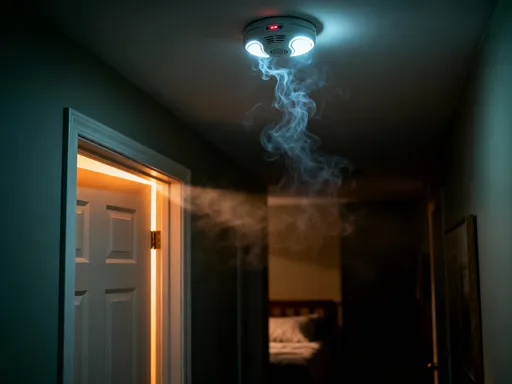
Tested 8 motion detectors at home: The one that saved me 2 hours weekly
You know that nagging worry when you’re working from home—did the back door get left open? Is the dog wandering into restricted areas? I felt it too, until I tried motion detection devices to protect my family and peace of mind. What started as a security experiment turned into a surprising boost in focus and daily efficiency. Let me share how one small tech change made my home safer—and my work life smoother—than ever before.
The Moment I Knew Something Had to Change
It was a Tuesday morning, and I was on a critical client call. My voice stayed calm, but my mind was racing—had my three-year-old slipped out the back door while I was making breakfast? I tried to focus, but within minutes, I excused myself, saying I’d lost connection, and sprinted to the patio. The door was closed, but not latched. My heart pounded. I hadn’t even realized how often this happened—pausing work to check on doors, rooms, or my kids’ whereabouts. These weren’t full-blown emergencies, but tiny, repeated interruptions that chipped away at my concentration and energy.
That moment was a wake-up call. I started paying attention to how many times a day I stopped what I was doing just to verify something at home. Was the garage door shut? Did the babysitter leave? Was the dog okay in the backyard? Each time, I broke flow, walked away from my desk, and came back scattered. Over time, I realized I wasn’t just managing a household—I was running a constant surveillance shift. And I wasn’t alone. I talked to other moms, working spouses, even friends caring for aging parents. So many of us are quietly carrying this invisible load, trying to be everywhere at once.
Then a friend mentioned she’d started using motion detectors—not just for break-ins, but to protect her time and mental space. I was skeptical at first. Wasn’t that overkill? But the more I thought about it, the more it made sense. If a simple device could confirm my home was secure, maybe I wouldn’t have to keep checking myself. So I decided to test it out. Not just one device, but several. I wanted to see if motion detection could truly reduce the mental clutter of modern home life. What I discovered surprised me—not just in terms of safety, but in how much more focused, calm, and present I became.
Why Motion Detection Isn’t Just for Security Anymore
We’ve all seen motion-activated lights or security cameras that ping when someone approaches the front door. For years, I thought of motion detectors as tools for catching intruders or deterring package thieves. But what I learned during my experiment is that their real power lies in something quieter: reducing mental load. When your home can quietly confirm that everything is as it should be, your brain stops scanning for risks. It’s like finally turning off a background app that’s been draining your battery for years.
Psychologists call it ‘low-level vigilance’—that subtle, ongoing awareness we maintain when we’re responsible for others or our environment. Think about it: when you’re cooking and your child is playing nearby, part of your mind is always tuned in, just in case. When you’re on a call and your dog is alone in the yard, you’re half-listening for barking or scratching. This kind of constant monitoring doesn’t feel like work, but it’s exhausting. It fragments attention, delays decision-making, and leaves you feeling drained by 3 p.m.
Smart motion sensors changed that for me. Instead of relying on my own senses to monitor the house, I could trust the system to alert me only when something was actually out of the ordinary. No more guessing if the basement door was left open. No more wondering if the dog got into the pantry. The device didn’t eliminate responsibility—it made it manageable. I wasn’t giving up control; I was delegating the repetitive, anxiety-inducing checks to something designed for it. And that shift—from constant monitoring to informed awareness—freed up mental space I didn’t even know I was missing.
What surprised me most was how quickly I began to trust the system. At first, I’d double-check every alert. But over time, I learned which notifications were meaningful and which I could ignore. The peace of mind wasn’t just about safety—it was about reclaiming attention. And that attention? I gave it back to my work, my family, and myself.
How I Tested 8 Different Devices at Home
I didn’t jump straight to the best option. I wanted to see what was really out there, so I spent two months testing eight different motion detection systems. Some were standalone sensors, others part of larger smart home ecosystems like popular home automation platforms. I installed them in hallways, near entry doors, by the stairs, and around the kids’ playroom and pet areas. My goal wasn’t just to catch movement—it was to see which devices could tell the difference between meaningful activity and everyday noise.
The first few were frustrating. One brand sent an alert every time the cat jumped on the couch. Another missed motion entirely when my older daughter walked past at night. A third required constant app updates and had a confusing interface—by the time I figured out how to adjust settings, I’d already missed three alerts. I began to wonder if this whole idea was more hassle than help. But I kept going, determined to find something that worked without adding more stress.
I evaluated each device based on four key factors: ease of setup, reliability, clarity of notifications, and how well it fit into real life. Did it take more than 15 minutes to install? Did it send false alarms for pets or shadows? Were the alerts easy to understand at a glance? Most importantly—did it make me feel more in control, or more anxious?
Some systems were overly aggressive, buzzing for every tiny movement. Others were too passive, failing to alert me when the front door opened. A few required professional installation or complex wiring, which wasn’t realistic for my rental home. I also paid attention to battery life and Wi-Fi stability—nothing worse than a sensor that dies mid-week or disconnects during a storm. By the end of the second month, I’d narrowed it down to two contenders. One was sleek and high-tech but overly sensitive. The other? Simple, accurate, and surprisingly intuitive. That one became my daily driver—and the one I still use today.
The One Device That Actually Fit Into Real Life
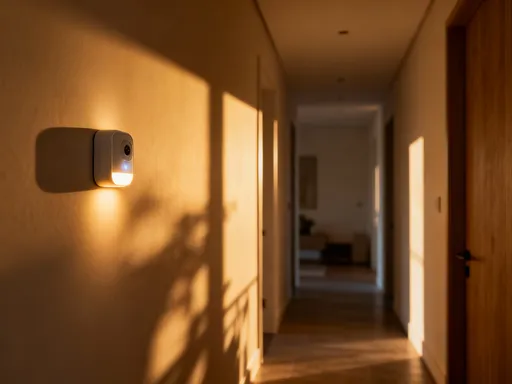
The winner wasn’t the most expensive. It wasn’t packed with flashy features or voice commands. In fact, it looked almost boring—a small white rectangle that stuck to the wall with adhesive. But it worked exactly as promised. It sent silent, clear notifications to my phone only when motion was detected in zones I had defined—like the basement, the front porch, or the kitchen after bedtime. I could check in with a quick glance during a coffee break, no need to interrupt my workflow.
What set it apart was its smart filtering. I have two pets—a golden retriever and a mischievous tabby—and most sensors went off every time they moved. This one let me adjust sensitivity and even ‘learn’ typical patterns over time. After a week, it stopped alerting me when the dog walked from the living room to the kitchen during the day. But if someone opened the garage door at 2 a.m.? Instant notification. That balance—of knowing when to speak up and when to stay quiet—was everything.
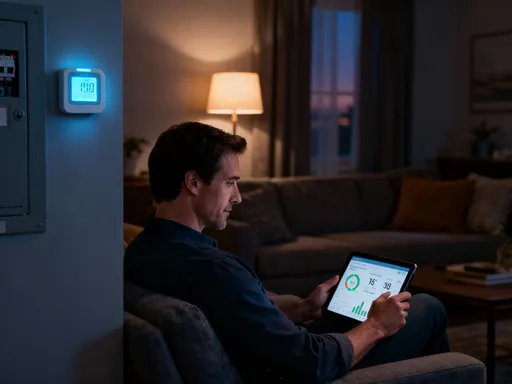
I also loved that it didn’t require a hub or subscription. No monthly fees, no hidden costs. Just download the app, pair the sensor, and go. The interface was clean, with a simple floor plan view so I could see exactly where motion was detected. I could even set custom schedules—like disabling alerts during playtime or when the cleaning service came. It wasn’t about watching everything—it was about knowing what mattered.
My friend was right: this wasn’t surveillance. It was support. The device didn’t make me paranoid—it made me confident. I no longer had to choose between focusing on work and keeping an eye on the house. I could do both, without compromise. And that subtle shift—from constant worry to quiet trust—changed how I moved through my days.
How My Workday Transformed—Without Extra Effort
Within the first week of using the reliable sensor, I noticed a difference in my productivity. I wasn’t jumping up every 20 minutes to check a door or call out to the kids. My work blocks became longer, deeper. I stayed in flow for 90-minute stretches instead of 20-minute bursts. Meetings stayed on track because I wasn’t distracted by background worries. And for the first time in years, I finished my to-do list by 5 p.m. more than once a week.
I started tracking how much time I was saving. Before, I estimated I spent 10 to 15 minutes a day physically checking things—doors, rooms, appliances. That doesn’t sound like much, but it adds up. Over a week, that’s nearly 2 hours. Two hours I could now spend writing, planning, or just breathing. Two hours I could give back to myself.
My family noticed the change too. I was less tense, more present. I wasn’t constantly asking, “Did you close the gate?” or “Is the dog inside?” I wasn’t snapping when someone left a door ajar—because I already knew, thanks to a gentle alert. The device didn’t do the work for me, but it removed the invisible barriers that had been holding me back. It’s like having a co-pilot for home life—someone who watches the details so you can focus on the big picture.
And here’s the thing: I didn’t become lazy or less responsible. I became more efficient. I still set routines, taught my kids about safety, and stayed involved. But I stopped wasting energy on repetitive checks. That mental space? I used it to think more clearly, respond more calmly, and show up with more patience. In a world that demands so much from us, that kind of return is priceless.
Setting It Up Was Easier Than I Thought
I’ll admit—I was nervous about installation. I’m not tech-savvy. I still unplug the router when it acts up. So I assumed setting up motion sensors would involve drilling, wiring, or complicated app setups. But I was wrong. Most of the devices I tested, including the one I kept, took less than 20 minutes to install. No tools, no electrician, no stress.
All I had to do was peel off the backing, stick the sensor to the wall, and open the app. The app guided me through pairing—usually just scanning a QR code or entering a number. Then I named the sensor (I called mine “Back Door Watcher”), selected the room, and adjusted the sensitivity. I made sure to test it by walking past, opening doors, and even having the dog run through. Within an hour, it was fully operational.
The learning curve was minimal. I showed it to my sister, who was hesitant because she “doesn’t do smart home stuff.” After watching me set up a second sensor in the basement, she bought one for her own home. That’s when I realized how accessible this technology has become. It’s not for tech geeks or wealthy homeowners. It’s for anyone who wants to feel more in control of their space.
I also appreciated that I could start small. You don’t need to sensor every room. I began with just two—back door and basement—and added more as I saw the benefits. The system grew with my needs, not the other way around. And because it was wireless and battery-powered, I could move it if needed. When we rearranged the living room, I just peeled it off and re-stuck it. No rewiring, no hassle.
More Than Tech—It Gave Me Back Peace of Mind
In the end, this wasn’t about gadgets or surveillance. It was about trust. Trust that my home was secure. Trust that I wouldn’t miss something important. Trust that I could focus on my work without guilt. That quiet confidence spilled into other areas of my life. I slept better, knowing I’d be alerted if anything unusual happened at night. I relaxed more during family time, because I wasn’t mentally elsewhere. I showed up more fully—for my kids, my partner, myself.
Technology, at its best, doesn’t complicate life—it simplifies it. It doesn’t replace human care; it enhances it. The motion detector didn’t make me a better mom or a better worker. But it removed the constant hum of worry that had been keeping me from being my best. It gave me back time, focus, and calm—three things I didn’t realize I was missing until I had them again.
If you’re juggling work, family, and home, and you feel like you’re always on high alert, I get it. I was there too. But you don’t have to stay in that cycle. Sometimes, the smallest change—a single sensor, a quiet alert, a moment of reassurance—can make the biggest difference. It didn’t just save me two hours a week. It gave me back my peace of mind. And honestly? That’s worth more than any gadget.