Tired of Feeling Distant from Aging Parents? How Online Communities Keep Us Closer
Family video calls used to feel forced—short, stiff, and full of silence. I’d worry my parents were lonely but didn’t know how to reach them. Then I discovered online communities designed for older adults. They weren’t just passing time; they were sharing recipes, joining live exercise classes, and even planning local meetups. Seeing my mom laugh during a virtual book club changed everything. It wasn’t just connection—it was joy, purpose, and peace of mind for us both. That moment made me realize: what if the key to staying close isn’t more calls, but better ones—fueled by a life they’re excited to share?
The Quiet Loneliness No One Talks About
It starts small. A call that lasts two minutes instead of ten. A response like “Oh, same as always” when you ask how their week was. You tell yourself it’s normal—after all, aging parents often slow down, and we’re all busy. But beneath the surface, something deeper is shifting. Loneliness in older adults isn’t always loud or dramatic. It’s quiet, like a slow drip in a sink you didn’t notice was leaking. And for adult children, that silence can carry guilt we don’t even know how to name.
I remember calling my dad one Tuesday evening, expecting the usual small talk about the weather and dinner. Instead, he paused mid-sentence and said, “You know, today was the first time I spoke to anyone.” That hit me like a punch. He wasn’t sick. He wasn’t in crisis. He just lived alone, and no one had stopped by, called, or even waved from the sidewalk. In that moment, I realized our weekly check-ins—though well-intentioned—weren’t enough. They were moments of relief for me, not connection for him. I was checking a box, not building a bridge.
Research shows that prolonged social isolation in older adults increases the risk of depression, cognitive decline, and even heart disease. But more than the health stats, it’s the emotional toll that’s hardest to see. Parents don’t always admit they’re lonely. They don’t want to burden us. So they smile on camera, say they’re fine, and hang up with a quiet emptiness behind their eyes. We sense it, but we don’t know how to fix it. And that helplessness? It lingers. It shows up in the middle of the night when you wonder, “Did I do enough today?”
What I’ve learned is that loneliness isn’t just about being alone—it’s about feeling unseen. And for parents who’ve spent decades raising us, contributing to communities, and building lives rich with purpose, losing that sense of being needed or noticed can be deeply painful. The good news? There’s a way to help them feel seen again, not just by us, but by others who understand their stage of life. And it doesn’t require moving them closer or quitting your job. It starts with connection—real, daily, joyful connection—and that’s exactly what online communities for older adults are quietly offering.
Discovering a Different Kind of Connection
The first time I heard about a virtual tea time for seniors, I’ll admit—I rolled my eyes. Another tech trend, I thought. Another app promising to solve human loneliness with a click. I’d already tried getting my mom on video chat, and even that felt like a chore. So the idea of her logging into some online group to “socialize” seemed far-fetched. But then my cousin mentioned how her mother, who rarely left the house after her husband passed, now looked forward to “Tuesdays with Tea,” a weekly virtual gathering hosted by a senior community platform. “She laughs more now,” she said. “She even wears lipstick.”
That got my attention. Not the lipstick—though that was sweet—but the laughter. When was the last time I’d heard my mom laugh like that? Not the polite chuckle when I told a joke, but the kind that comes from genuine joy, from feeling part of something warm and alive? I decided to sit in on a session with her. We clicked the link together, and suddenly, there they were—twelve faces on a screen, mostly women, all in their 60s, 70s, and 80s, waving, calling out greetings, some with teacups already in hand.
The host, a warm woman with silver curls, started by asking, “What’s one small joy you’ve had this week?” One woman shared how her grandson sent her a drawing. Another talked about the cardinal that returned to her bird feeder. My mom, usually quiet, surprised me. “I finally got my roses to bloom,” she said, holding up her phone to show a photo. Someone clapped. Another said, “Oh, I’ve been fighting with mine—what’s your secret?” And just like that, a conversation bloomed. No pressure. No silence. Just people sharing little pieces of their lives, like neighbors chatting over a fence.
What struck me wasn’t just the activity—it was the energy. These weren’t passive viewers watching a lecture. They were participants. They asked questions. They remembered each other’s stories. They teased the woman who always showed up late. There was a rhythm to it, a sense of belonging. And when the session ended, my mom didn’t just say “that was nice.” She said, “I can’t wait for next week.” That was the turning point. This wasn’t about technology. It was about community. And for the first time in years, I saw her not just as my mom, but as a person with her own friendships, interests, and reasons to smile—even when I wasn’t around.
How These Communities Actually Work (Without the Tech Stress)
If you’re imagining complicated logins, confusing menus, or endless pop-ups, I get it. That’s what I thought too. But the truth is, most online communities for older adults are designed with one goal in mind: make it simple. They’re not built for tech experts. They’re built for people who may have just learned how to send a photo via text. And that makes all the difference.
Most platforms work through a tablet or smartphone app, but the interface is clean and intuitive. Think large buttons, clear icons, and voice-assisted features. Some even offer a “guided setup” where a real person walks your parent through the first steps over the phone. No jargon. No tech talk. Just, “Tap the green circle to join,” or “Say ‘Open calendar’ to see what’s coming up.” It’s like having a friendly neighbor show you around, not a IT manual.
The structure of these communities often mirrors real-life social groups. Instead of forums with endless threads, they use “daily circles” or “neighborhood groups” where members can post, comment, or join live events. One popular format is the “Morning Coffee Chat”—a short, unstructured video call where people drop in to say good morning, share a thought, or just wave. No agenda. No pressure. Just presence. Others offer themed groups—like cooking, gardening, faith, or even pet lovers—so your parent can connect around what they already enjoy.
And the best part? Many of these platforms are designed to be used with family support, not in place of it. You can help set up the account, choose the groups, and even join the first few sessions together. Some even send you a weekly summary—like “Mom joined three events this week” or “She shared a photo in the gardening group”—so you can bring those moments into your own conversations. It’s not about replacing family time. It’s about giving your parent a fuller life to share with you.
Small Moments, Big Emotional Shifts
When my dad joined the “Backyard Gardeners” group, I didn’t expect much. He’d always grown tomatoes, but lately, he’d stopped mentioning them. The first time he posted a photo of his seedlings, I thought it was just a one-off. But then he started sharing updates—“First bloom!” “Deer tried to snack, but I scared them off!”—and something shifted. It wasn’t just about the plants. It was about pride. Routine. Identity.
He began checking the app every morning, not just to post, but to see what others were growing. He asked for advice on compost. He cheered when someone’s zucchini finally sprouted. And when he visited us that summer, he didn’t just bring tomatoes—he brought stories. “You should’ve seen Martha’s cucumbers,” he said, grinning. “Looked like prize winners.” For the first time in years, he wasn’t just my dad. He was an expert. A mentor. A member of a tribe.
This is the quiet magic of these communities. They don’t just fill time—they restore purpose. When your mom joins a painting challenge and gets encouraging comments, she’s not just passing the afternoon. She’s being seen as creative. When your father shares an old jazz playlist and others chime in with memories, he’s not just playing music. He’s being honored as someone with wisdom and history. These small interactions build a quiet confidence: I matter. I have something to give.
And that confidence spills into family life. Our calls changed. Instead of “How are you?” and “Fine,” we had real things to talk about. “Did you see what I posted about the storm damage to my shed?” “Oh, you’ll never guess who remembered my birthday in the book group!” These weren’t small talk. They were invitations into his world. And the more he shared, the more I realized: connection isn’t just about how often we talk. It’s about how much we have to say.
Easier Than You Think: Getting Started Together
If you’re thinking, “This sounds great, but my parent will never go for it,” I hear you. I did too. But here’s what I’ve learned: starting is easier than you think—and doing it together makes all the difference. You don’t need to be a tech genius. You just need patience, a quiet afternoon, and a willingness to laugh when things go wrong.
First, choose a low-pressure entry point. Look for communities that offer free trials or open events. Many libraries, senior centers, or religious organizations host virtual programs that are open to all. Start with something fun and familiar—like a cooking demo or music hour—rather than a deep discussion group. The goal isn’t to “fix” loneliness in one go. It’s to create a positive first experience.
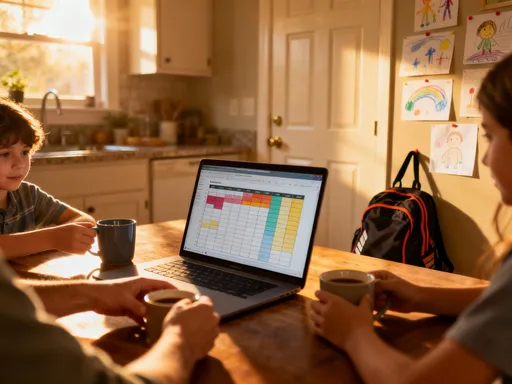
Next, set it up together. Sit side by side on the couch. Use their tablet or your phone. Walk through the steps slowly. “See this blue button? That’s how we join.” If they say, “I’m too old for this,” don’t argue. Smile and say, “You’re not too old. You’re just new at it—and that’s okay.” I still remember my mom saying, “I’ll never remember all this,” and me replying, “You don’t have to. Just remember how it felt to hear someone say, ‘I love your roses.’ That’s the part that matters.”
Then, join the first session together. Be there to troubleshoot, but also to listen. Let them take the lead. Celebrate the tiny wins: “You did it! You posted your first photo!” “You remembered the password!” And if it doesn’t go perfectly? Laugh. Say, “Well, we’ll try again next week.” The message isn’t “You must master this.” It’s “We’re in this together.”
Beyond Loneliness: Unexpected Benefits for Caregivers
Here’s what no one tells you: when your parent finds connection, you find relief. Not because you’re off the hook—you’ll always care deeply—but because that constant hum of worry begins to quiet. Knowing they’re not just sitting in silence, but laughing with others, sharing stories, feeling needed—that brings a peace of mind that’s hard to put into words.
I used to call my parents with a knot in my stomach, bracing for the “I’m fine” that meant they weren’t. Now, I often hear, “Guess what? We had a poetry reading today!” or “I promised to send my cookie recipe to three people!” That shift—from passive survival to active joy—has changed everything. It’s not just better for them. It’s better for me. My calls feel lighter. My anxiety has eased. I’m not managing their loneliness anymore. I’m celebrating their life.
And there’s science behind this too. Studies show that older adults who engage in regular social activities—especially those that foster meaningful interaction—report higher levels of happiness, better sleep, and even improved physical health. When people feel seen and valued, they’re more likely to take their medication on time, eat well, and stay active. And that, in turn, reduces stress for families. Fewer emergency calls. Fewer “I think we need to talk about assisted living” conversations. More moments of genuine connection.
But perhaps the biggest benefit is emotional. These communities don’t replace family love. They enhance it. They give our parents something to bring to the table—literally and figuratively. And when they do, our relationships deepen. We’re not just caregivers and care receivers. We’re two people sharing lives that are both growing, changing, and finding joy in unexpected places.
A New Kind of Family Care, Built on Connection
Technology will never replace the warmth of a hug, the comfort of a shared meal, or the quiet understanding between a parent and child. But it can do something powerful: it can help our parents live fuller lives when we’re not there. And when they do, our time together becomes richer, not because we’re trying harder, but because they have more to share.
What I’ve come to see is that family care isn’t just about safety, schedules, or health checks. It’s about dignity. Purpose. Joy. And sometimes, the most loving thing we can do isn’t to visit more or call longer—but to help them build a life that feels worth living, every single day.
Online communities aren’t a fix. They’re a bridge. A way to say, “You’re not just someone I check on. You’re someone I celebrate.” And when our parents laugh during a virtual tea time, when they proudly show off their garden, when they say, “I can’t wait for next week”—that’s not just connection. That’s love, echoing back to us in ways we never expected.
So if you’ve been feeling that quiet ache of distance, know this: you’re not alone. And neither are your parents. With a little support, a simple device, and a willingness to try, they can find friendship, purpose, and joy—just a click away. And when they do, you’ll find something too: the peace of knowing they’re not just okay. They’re thriving.